Health and Nutrition
How Colors and Shapes of Fruits Reveal Their Healing Power
Discover the hidden wisdom behind plant colors, forms, nutrition, and their profound connection to human health and creation
- Rabbi Zamir Cohen
- |Updated
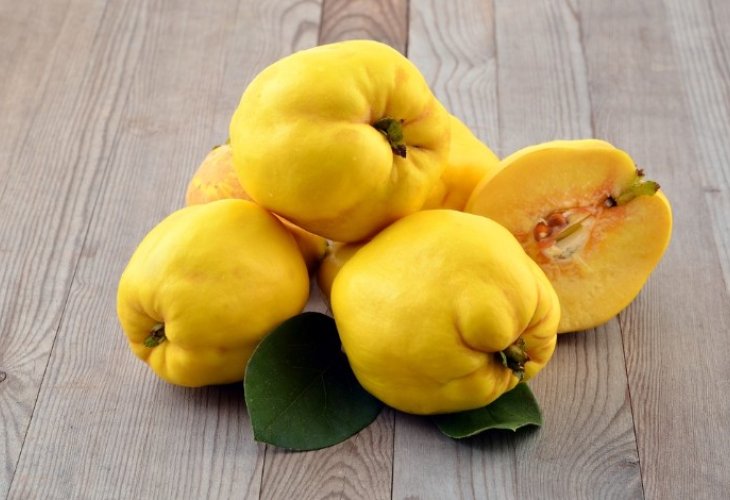
Modern research is increasingly revealing a connection between the colors of fruits and vegetables and their properties and benefits, in parallel with the spiritual system traditionally associated with each color.
Studies show that groups of fruits and vegetables sharing the same color also share similar nutritional components, many of which are essential for maintaining human health and protecting against disease. For example, red fruits and vegetables — such as tomatoes, red peppers, watermelon, red grapefruit, strawberries, pomegranates, and dark grapes, are beneficial for the heart and the circulatory system because they contain high levels of antioxidants.
White vegetables, such as onions, radishes, turnips, and garlic, strengthen the immune system and help destroy bacteria. Garlic in particular is often referred to in alternative medicine as a “natural antibiotic.”
We thus see that the functions of red and white in the plant world parallel the functions of red and white blood cells, all in harmony with their spiritual roots.
The Color – Organ Connection
A thoughtful observer of nature can find fascinating hints linking the color of fruits and vegetables to their benefit for specific organs in the human body:
Yellow vegetables, such as corn, yellow beans, and yellow peppers, are beneficial for eye health. Their yellow color resembles light itself — the medium through which the eyes see.
Green vegetables, such as cabbage, lettuce, and parsley, stimulate enzymes in the body that fight cancer. This mirrors the role of green vegetation in nature, which removes toxins and purifies the air through photosynthesis, preserving environmental balance.
Orange fruits and vegetables, such as carrots, pumpkin, apricots, and mangoes, support skin health, whose natural tone is close to orange.
When Shape Reflects Purpose
Remarkably, even the shape of certain fruits and vegetables hints at their benefit to specific organs, as they resemble those organs in appearance. This phenomenon — discussed more extensively in related studies, subtly points to the One Creator who formed all aspects of the world and embedded within them profound clues, revealed to those who contemplate them.
Indeed, creation is wondrous and harmonious, with all its components proclaiming in unison the existence of the One Creator:
“How manifold are Your works, O Lord! You made them all with wisdom.”
The Doctrine of Signatures
Hundreds of years ago, scholars observed striking similarities between the shapes of certain fruits, vegetables, and medicinal plants and the organs they benefit. This idea was researched by thinkers such as Galen, Paracelsus, and Böhme, and became known as the Doctrine of Signatures. Later, this principle was widely applied in homeopathy.
In modern times, according to Dr. Bradley Bennett of Florida International University, while the Doctrine of Signatures is not scientific proof that a particular plant benefits a specific organ, it remains an important visual aid for remembering plant properties — especially in developing regions where access to scientific information is limited.
Illustrative Examples
Carrot
A cross-section of a carrot closely resembles the human eye, complete with pupil-like and iris-like structures. Scientific studies have confirmed that carrots are highly beneficial for eye health, improving blood flow and visual function.Tomato
A natural tomato has four chambers and is red — just like the heart, which has four chambers and is also red. Research has shown tomatoes to be beneficial for heart health and blood purification, largely due to lycopene.Grapes
Each red grape resembles a single blood cell when magnified, and a cluster of dark grapes resembles the shape and color of the heart. Studies clearly demonstrate that dark grapes support heart health and blood cleansing.Walnut
The resemblance between a walnut and the human brain is astonishing. It looks like a miniature brain with two hemispheres, complete with folds resembling the cerebral cortex. Walnuts contain serotonin and essential brain-supporting vitamins, and studies show that walnut extract may help improve brain function in Alzheimer’s patients.Red Kidney Beans
These beans resemble the shape of a kidney. According to Chinese medicine, they strengthen kidney function in healthy individuals. Conversely, people with kidney disease are advised to avoid them due to their phosphate content.Sweet Potato
Shaped like the pancreas, sweet potatoes are beneficial for people with diabetes, helping regulate blood sugar and insulin levels.Onion
An onion resembles a magnified body cell and is known in natural medicine for helping cleanse cells of waste materials.Avocado
An avocado with its pit resembles a womb nurturing a fetus. When cut open, one half shows the pit (like a fetus), the other does not. In natural medicine, avocado is known to help prevent certain female cancers, balance hormones, and support postpartum recovery. Notably, the avocado takes exactly nine months to mature — from blossom in spring to ripeness in winter.Figs
Figs grow in pairs and are filled with seeds. Consumption of figs has been found to help prevent male infertility.
This intricate harmony between color, shape, function, and nourishment offers a powerful reflection of wisdom embedded within creation — visible to those who choose to observe it deeply.