
Depression and Anxiety
Learning to Live Without Answers: The Path From Fear to Freedom
Why anxiety demands certainty, and how surrender, acceptance, and quiet practice break its cycle
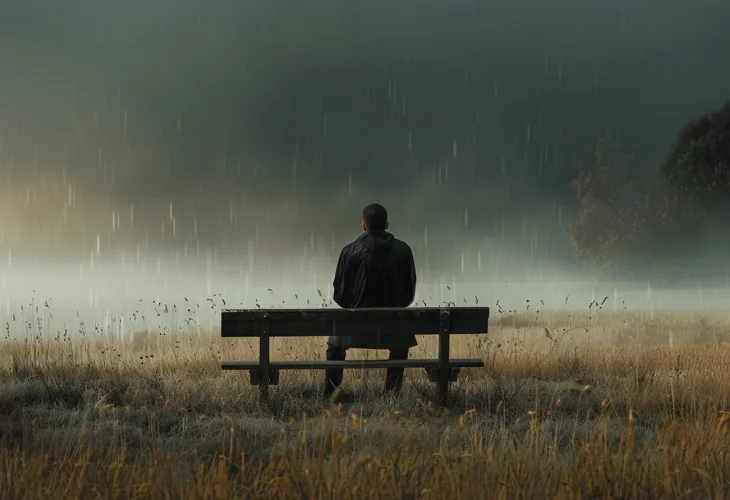
One of the greatest goals in life is learning to live with uncertainty. To not know the future — and to accept that. This is the way most humans live: they do not know, and yet they keep going, breath after breath.
Real Questions vs. Anxiety Questions
Real questions come from a sincere desire to understand. Anxiety questions, however, are something else entirely. They don’t seek answers; they seek to torment. They are intrusive mental loops disguised as curiosity. They do not arise from a need to understand — they arise from fear.
Anxiety Isn’t Truly Searching for Answers
In an anxious state, the mind refuses to accept reasonable human answers — the same answers that soothe a healthy person. Anxiety demands the impossible: absolute certainty, predictability, and perfection. When such certainty cannot be provided, the anxiety attacks again and again.
Emotions: A Continuous False Alarm
Then come the emotions. They surge with overwhelming intensity — but without real cause. It’s a false alarm: intense feelings with no actual danger behind them. The emotion screams — but reality is silent. There is no real threat or disaster.
Turning Off the Alarm: Real Inner Work
The work is not to suppress the emotions, but to calm them.
Not to silence them, but to understand them. They are simply intense sensations without true danger behind them.
Daily Practice: The Power of Surrender
Instead of fighting, surrender. Instead of running away, pause.
Spend a few minutes each morning and evening sitting quietly with the feelings and thoughts, without reacting. This is total surrender. Simply being present with what arises.
Why It Gets Worse at First — and Why That’s Good
At first, emotions intensify. Anxiety will scream louder. This is normal, and even good. Like a child who loses attention, anxiety protests loudly before it fades. But it will break.
Proof From Your Past
How do you know it’s a false alarm? Easy: it has happened before — thousands of times. The worries, the fears, the catastrophic predictions — they come again and again, and never materialize.
Your own history is proof that these sensations are illusions.
Returning to the Root: Living Without an Answer
Then you return to the starting point: living without an answer.
Accepting not knowing. Accepting not understanding. Accepting not solving.
The Higher Level: Loving the Uncertainty
Not just accepting, but loving. Loving the helplessness. Loving the paradox. Because from relaxation comes wisdom. When emotion no longer overwhelms — the mind clears, and answers arise naturally. Not from fear, but from calm.
When Will the Answer Come?
When the need for certainty disappears, clarity appears. When certainty is no longer required, wisdom arrives. If answers come, they will come from a healthy place, not as protection from fear.
Gradual Training: Facing Small Fears First
Like physical training, begin gently. Expose yourself to small fears — difficulty level 1 or 2 out of 10 — to teach the mind that there is no real danger. This process is slow but deeply healing.
Good Fear vs. Harmful Fear
Healthy fear leads to wise action, whereas destructive fear leads to paralysis. This distinction is vital: not all fear is bad — only the fear that damages functioning.
True Surrender
Real surrender means not checking, “Am I calmer now?” If you’re checking — you haven’t truly surrendered. Surrender means living alongside the emotion without demanding that it disappear.
The Goal: Living With Powerlessness — Calmly
The ultimate goal is to live with powerlessness from a place of ease.
From that calmness, correct action naturally emerges. Action that doesn’t run from fear — but lives beside it, until fear loses control.

