Personal Stories
From Painkillers to Purpose: Chavi Leuchter’s Brave Journey Out of Addiction
After years of crippling pain and a dangerous dependency on prescription drugs, the young mother of four shares her powerful story of recovery
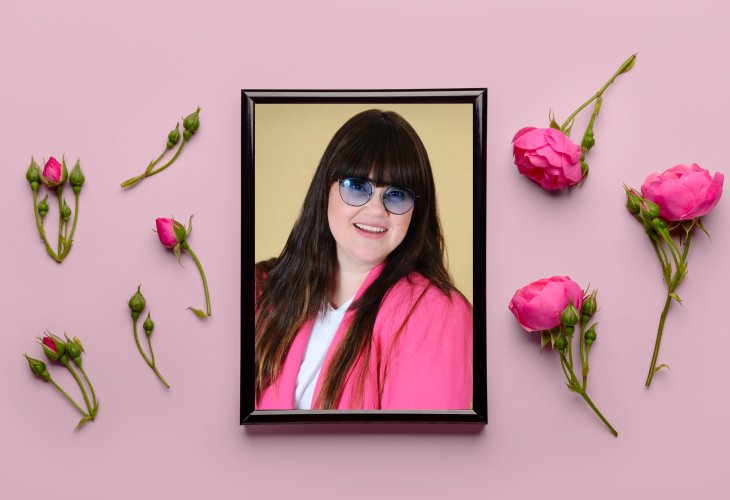 Chavi Leichter (Photo: Deborah Sabag)
When Chavi Leuchter began suffering from unbearable pain in her arm, she started taking painkillers — and soon found herself trapped in a life-threatening addiction. Today, five years after a long and painful rehabilitation process, the 34-year-old mother of four speaks openly about her journey — and issues a heartfelt warning: “Stop before it’s too late. Don’t get to where I was.”
Years of Pain
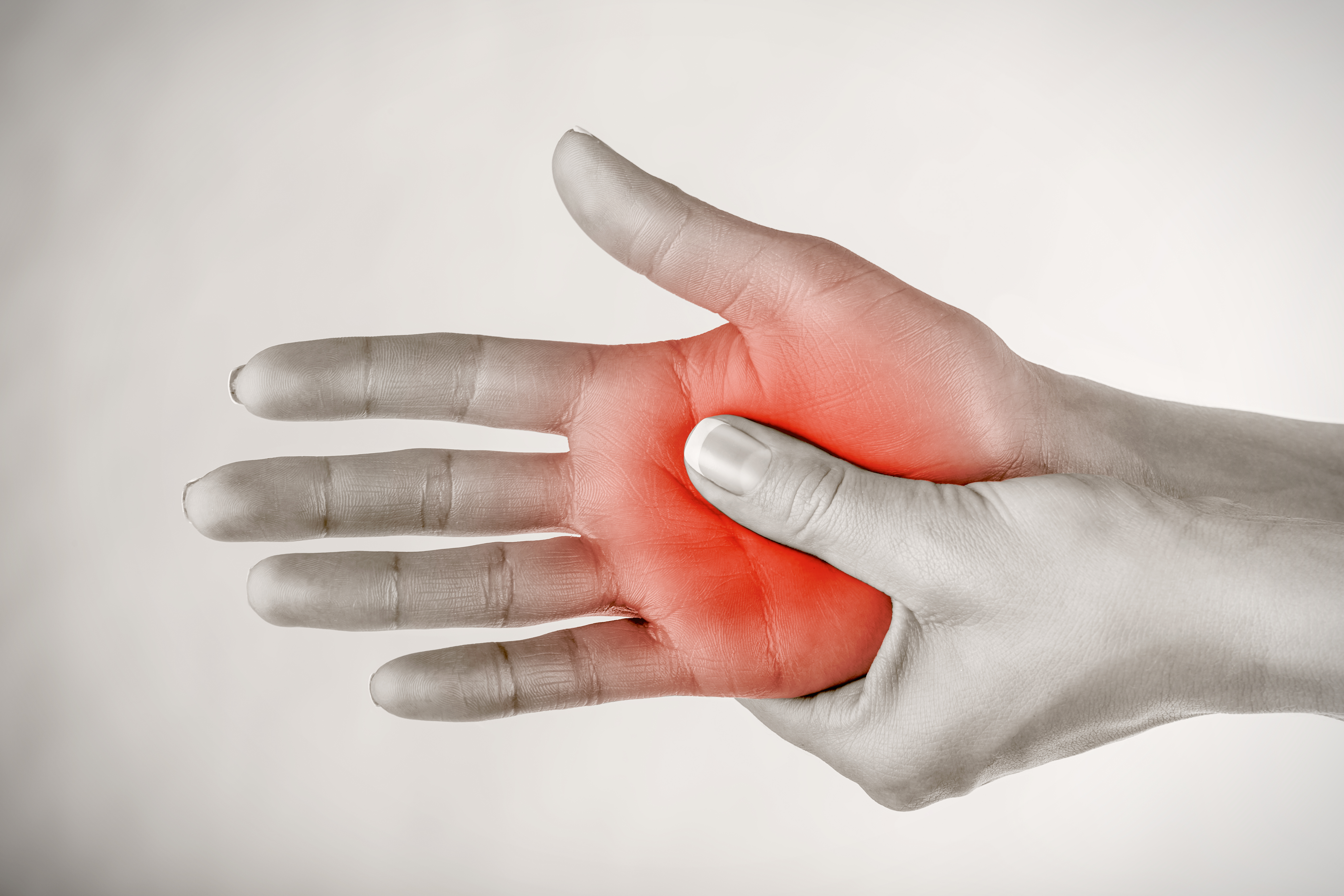
“It all started about ten years ago,” Chavi recalls. “I worked in an office, typing on a computer for nine hours a day, so when my arm started to hurt, I thought it made sense. But when the pain didn’t go away, I went to a doctor who diagnosed me with carpal tunnel syndrome. He prescribed anti-inflammatory pills, but they didn’t help. The pain got worse — spreading to my shoulder and neck, until I could barely move my head or arm. One day it was so bad they had to take me to the hospital by ambulance.”
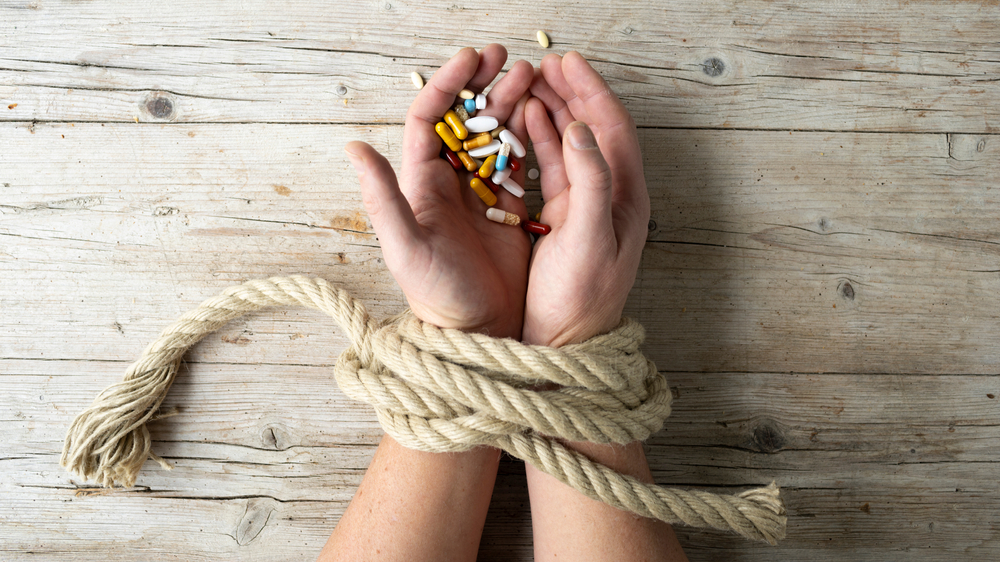
At the ER, her pulse was dangerously low. Doctors gave her the first Percocet pill of her life, and the effect was immediate: “It was like magic. The pain vanished, and the world suddenly looked pink again.” But as tolerance built, her dosage climbed from 5 mg to 60 mg, plus Lyrica, pain patches, and medical cannabis. “I was taking 10–12 pills every four to eight hours,” she says, “and the doctors themselves kept renewing the prescriptions.”
 (Photo: Shutterstock)
The Hidden Spiral
For six years, Chavi lived in constant pain with a nearly paralyzed arm — trapped in a fog of pills. Eventually, a sharp-eyed doctor suspected thoracic outlet syndrome, a nerve compression disorder between the neck and armpit. “After a long surgery at Hadassah Ein Kerem, I finally regained movement,” she recalls. “But even though the physical problem was fixed, the addiction wasn’t. I couldn’t stop taking the pills.”
Her life at home deteriorated. “I couldn’t work. I spent my days thinking only about my next dose. I stopped caring about everything — even my husband and kids. My oldest daughter once wrote her wish in kindergarten: ‘That Mommy will make me a ponytail.’ That broke me later — but at the time, I didn’t even feel it.”
She adds quietly, “An addict becomes the most selfish person in the world. You see nothing but your next fix.”
The Turning Point
The wake-up call came when she saw another person addicted to pills — and recognized herself. “I called my brother-in-law, Rabbi Aryeh Monk, director of Bayit Cham, and told him I needed help.” He referred her to Dr. Chaim Moshe Adahan, a leading specialist in addiction medicine. “At our first meeting, he looked at my medication list and said, ‘You’re at risk of a heart attack.’”
Thus began a gradual, grueling detox. “The physical pain was unbearable. I couldn’t sleep, I was nauseous, my body ached nonstop, I was angry all the time. But I knew if I didn’t finish the process, I might die. That thought kept me going.”
Dr. Adahan told her something that changed her life: “To quit an addiction, you must find a new one.”
“He didn’t mean another drug,” Chavi explains. “He meant something meaningful to fill the void. At first, I channeled it into shopping — not healthy, but it helped. Later, I started a business organizing homes, something I’d always loved. It became my therapy and purpose.”
 (Photo: Shutterstock)
Five Years Clean — and Counting
Today, five years after her recovery, Chavi lives with gratitude — and honesty. “Yes, I still feel pain,” she admits. “Sometimes it’s so strong I can hardly breathe. But now I understand where it comes from, and I’ve learned not to fight it — to breathe through it, to accept it. Pain is a messenger, not a punishment.”
She has rebuilt her life — as a mother, wife, and business owner — and says faith was her greatest medicine: “During the worst years, I was somewhere between believing and not believing. But once I started healing, my faith soared. I feel Hashem in every breath. When it hurts, I know He’s the only One who can help me.”
Her message to others is clear: “If someone around you is struggling — don’t judge. Show compassion. Believe they can recover. Because they can — and your support might be what saves them.”