
Torah Personalities
The Legacy of the Lubavitcher Rebbe: 10 Powerful Facts About Rabbi Menachem Mendel Schneerson
The global impact, teachings, and vision of the Chabad Rebbe
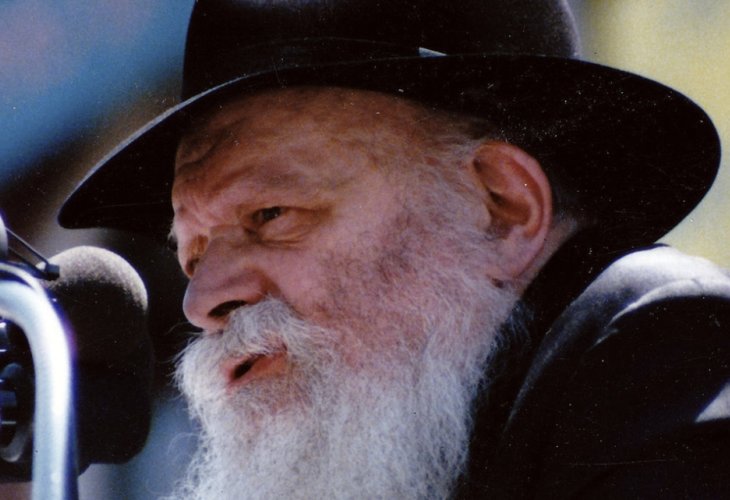 The Lubavitcher Rebbe z"l
The 3rd of Tammuz, marks the yahrzeit of the seventh Rebbe of Chabad-Lubavitch, Rabbi Menachem Mendel Schneerson, of blessed memory.
Following are 10 facts about his remarkable life and influence:
1. Seventh Rebbe of Chabad
Rabbi Menachem Mendel Schneerson (11 Nissan 1902 – 3 Tammuz 1994), known as “The Lubavitcher Rebbe,” served as the seventh leader in the Chabad dynasty.
2. A global Jewish influence
It is difficult to capture in words the magnitude of the Rebbe’s impact on the Jewish world in recent decades. He developed and expanded the worldwide Chabad network, inspiring the establishment of thousands of educational institutions and Jewish centers. His teachings have been published broadly during his lifetime and even more extensively after his passing.
3. The spirit of “Ufaratzta” – reaching every Jew
The Rebbe initiated global campaigns to promote mitzvah observance and Chassidic teachings, encapsulated in the motto “Ufaratzta” (“And you shall spread out”), from the verse “Ufaratzta yamah v’kedmah v’tzafonah v’negvah.”
He called on his followers to reach every Jew — no matter how distant, and help them perform mitzvot and learn Torah. This included public tefillin stands, menorah lightings, and Jewish outreach in all public spaces. He also emphasized giving financial help to those unable to afford religious items.
4. Holiday-based “Mivtzohim” (campaigns)
The Rebbe launched numerous public mitzvah campaigns known as “mivtzohim.” Many focused on specific holidays, including:
Lighting Chanukah candles in homes, stores, and public squares
Lag BaOmer parades
Lulav and Etrog booths on Sukkot
Distributing handmade matzah before Pesach
Blowing shofar on Rosh Hashanah for those unable to attend synagogue
Helping Jews fulfill the four mitzvot of Purim
These campaigns became worldwide Jewish traditions.
5. The value of even one mitzvah
The Rebbe stressed the immense importance of practical mitzvah observance, even if done only once, and even without fully understanding the meaning behind it.
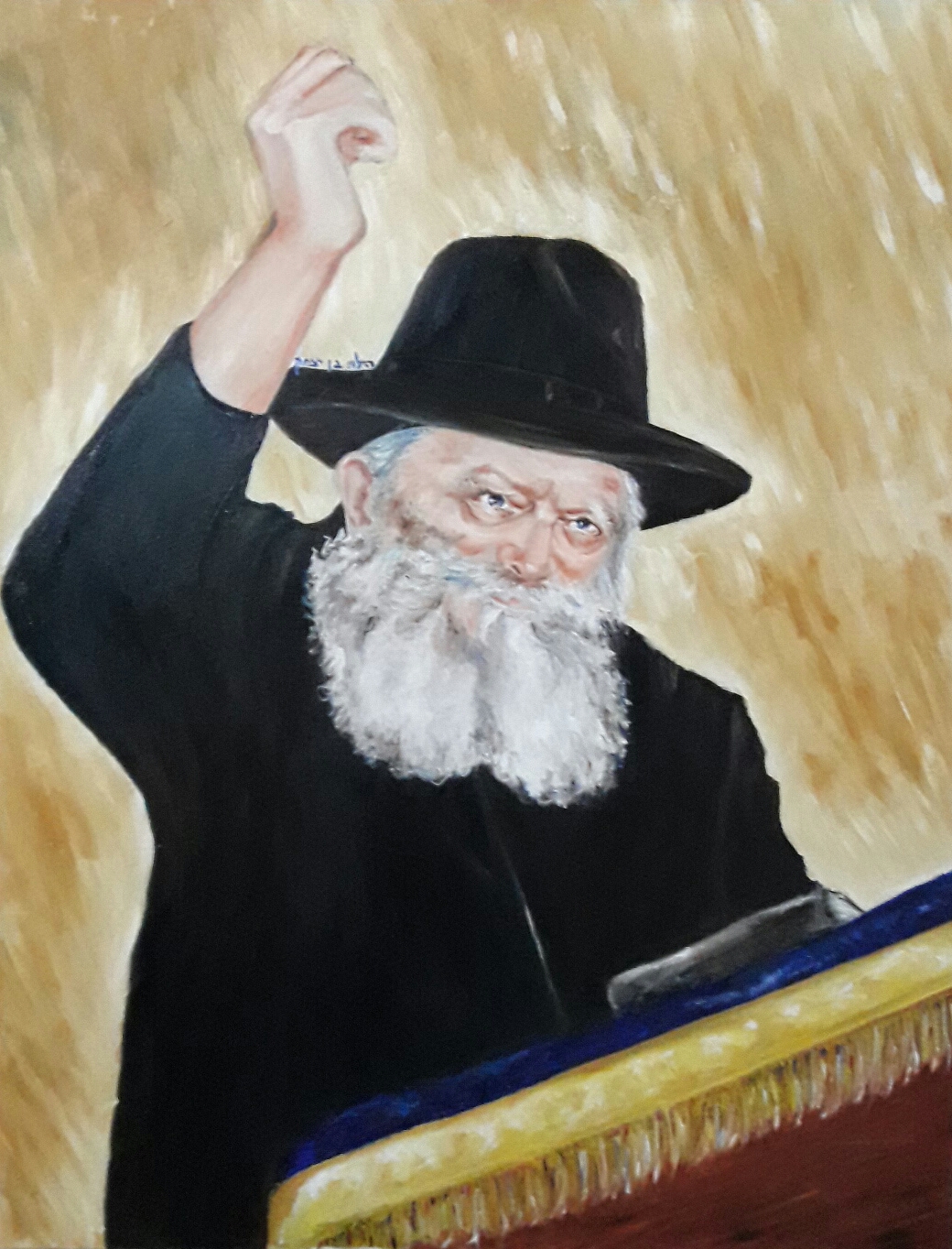 (Illustration: Hila Ben Yitzchak)
6. The Ten Mitzvot
Another major initiative was the Rebbe’s “Ten Mitzvot,” a call for every Jew to observe ten foundational mitzvot and help others do the same:
Ahavat Yisrael – Love of one’s fellow
Jewish education
Torah study
Tefillin
Mezuzah
Charity
Having holy books in the home
Kosher food
Shabbat and festival candle lighting
Family purity
7. Outreach in action
Because of the Rebbe’s call:
Chabad men operate tefillin booths in cities worldwide
Chabad women and girls distribute Shabbat candle kits and explanatory pamphlets
Chabad centers offer mezuzah checking, help in making kitchens kosher, and a wide range of spiritual and practical assistance
8. Continuing the mission of his predecessor
The Rebbe’s father-in-law, Rabbi Yosef Yitzchak Schneersohn (the 6th Rebbe), worked to bring secular or distant Jews closer to Torah. He sent emissaries around the world. Under the 7th Rebbe’s leadership, this mission expanded dramatically, with thousands of new shluchim (emissaries) appointed globally.
9. Helping Jews both spiritually and physically
Chabad’s resources are dedicated to drawing Jews closer to Torah and mitzvot and assisting Jews in need — physically, emotionally, and religiously. Chabad houses worldwide:
Operate soup kitchens
Provide emergency assistance
Support travelers in distress
Serve as Jewish embassies in remote regions
Since the 1960s, these efforts have brought countless Jews back to Torah observance.
10. Famous quotes attributed to the Rebbe
a. “From the day I entered cheder (school), and even earlier, the vision of the future redemption began to form in my mind — the redemption of the Jewish people from their final exile… a redemption that will make all the sufferings, decrees, and destructions understandable… ”
b. “When we open our eyes and look beyond the fog, beyond the coarse and jarring outer appearance, we can understand that people are not really as they seem. What looks to us like a world of disbelief is actually a world full of people crying for faith, begging for faith… They simply call it by other names.”
c. “When counting diamonds, one does not grow tired.” — In response to being asked how he stood for hours greeting thousands of visitors.
d. “A teacher or mentor cannot plant values in a child’s heart as deeply as a mother can. When a mother invests her heart and mind so her child develops a true relationship with life — knowing Torah is his life and Judaism his guide, her influence penetrates deeply and remains forever.”
e. “Everyone says: ‘Show me God, and then I will believe.’ But it doesn’t work that way. First you believe in God — then you see Him.”
May his memory be a blessing, and may his merit protect us.

