
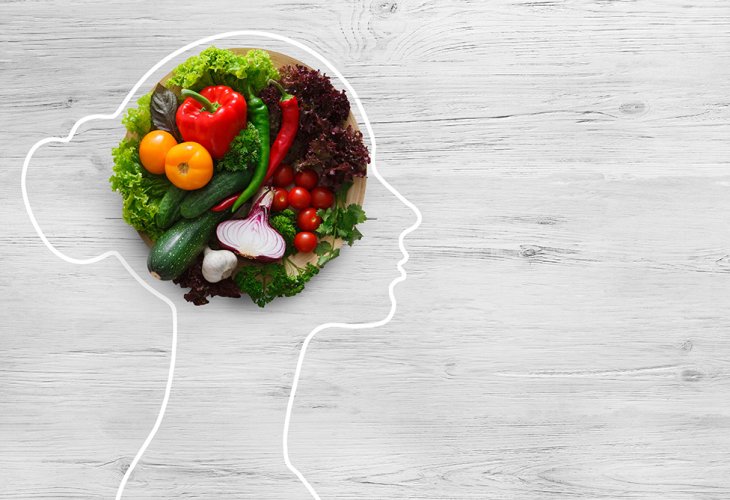
Vitamin D is essential during pregnancy, but relying on supplements alone may not always be enough. Factors like limited sun exposure, winter months, and weight gain during pregnancy can affect how well your body absorbs this vital nutrient.
Vitamin D can be obtained through controlled sun exposure and foods such as dried shiitake mushrooms, fish, dairy products, and eggs. As a fat soluble vitamin, it plays key roles in regulating, absorbing, and utilizing minerals, especially calcium and phosphorus for bone health, supporting the immune system, maintaining normal nerve function, and regulating blood insulin levels.
A study of 829 pregnant women showed that taking a 1,000 IU daily vitamin D supplement from the 14th week of pregnancy until birth did not significantly increase blood vitamin D levels in women with low vitamin D at the start of pregnancy, those who gave birth in winter, or women who gained substantial weight during pregnancy.
The takeaway? Testing your vitamin D levels is important, and sometimes controlled sun exposure and increasing your intake of foods rich in vitamin D may be more effective than supplements alone.
The risk of autism in newborns drops by 73 percent when mothers take folic acid during pregnancy
Taking folic acid before and during pregnancy is one of the simplest and most effective steps you can take to support your baby’s development. Even if you are not a fan of swallowing vitamins, this one is too important to skip. It can significantly influence your child’s quality of life and yours as well.
You can take a folic acid supplement on its own or choose a prenatal multivitamin that contains the full therapeutic amount of folic acid (meaning the same amount found in a standalone folic acid pill).
A large study conducted in Israel examined the connection between folic acid supplementation and autism in newborns. The research followed 45,300 children born between 2003 and 2007, tracking their health records until 2015. During that time, 572 children were diagnosed with autism.
The findings were striking:
Taking folic acid before pregnancy reduced the risk of autism by 61 percent.
Taking folic acid during pregnancy reduced the risk by 73 percent compared to women who did not take folic acid at all.
The bottom line: Take it. It matters, a lot.
Drinking diet drinks during pregnancy? Your baby’s weight may be affected:
We already know that artificial sweeteners can contribute to weight gain, increased sugar cravings, and other metabolic issues. But a first-of-its-kind study set out to discover whether drinking artificially sweetened beverages during pregnancy could affect a baby’s weight later on.
The research was part of a large Canadian study on infant health and followed 3,033 infants and their mothers. Scientists examined the mothers’ eating habits during pregnancy and tracked each baby’s BMI at one year of age.
About 30 percent of the mothers reported drinking diet beverages, and roughly 5 percent consumed them daily. The results were striking: compared with women who avoided diet drinks entirely, daily consumption was linked to a 0.20 increase in standardized BMI in their babies, as well as a doubled risk of excess weight by age one.
These findings remained consistent even after accounting for maternal factors such as BMI, overall diet quality, and total calorie intake.
In short, artificial sweeteners may not be the best choice during pregnancy, especially for your baby.
Sarah Bar Asher is a naturopath and lecturer specializing in nutrition and the food industry.

