
Jewish Law
How to Choose a Kosher Sifter for Baking Challah: Complete Guide to Flour Checking and Halachic Hygiene
Why silk sifters with 70–80 mesh are the most reliable, how to check semolina and whole wheat for insects, and how to keep your flour kosher and clean at home
- |Updated
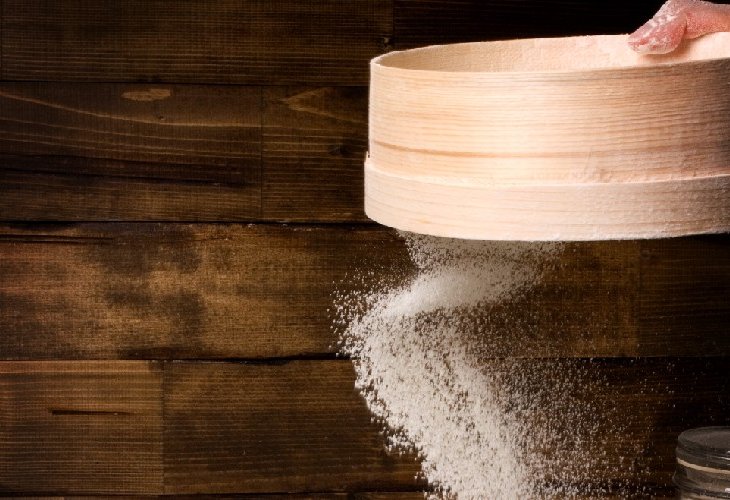
Before baking challah or any bread, halacha requires that the flour be carefully sifted to ensure it is free of insects. Modern flour production involves long pipelines and sealed packaging, which — despite industrial hygiene, can unfortunately create ideal conditions for the growth of tiny worms or insect eggs. Therefore, flour must be sifted thoroughly and stored properly to maintain kosher and hygienic standards (Sefer HaKashrut, ch. 7).
Proper Storage Before Sifting
If flour is stored in a warm environment, it can become infested with insects within three days. Always keep flour in a cool, dry place, and sift it before every use, even if it appears clean.
What Type of Sifter Is Required
The sifter must be fine enough to block even the smallest insects or eggs. The recommended type is known as a “silk sifter” which has a tightly woven screen that prevents any larvae from passing through.
After each use, clean the sifter thoroughly and inspect it again before using it next time. Some halachic authorities note that you may store the sifter inside a sealed plastic bag in the freezer to prevent infestation, even without cleaning it first.
Sifting Is Required for All the Flour
If you’re using flour that requires checking, you must sift all of it, not only a small sample. A “spot check” is insufficient, even if several samples look clean. However, once the flour has been sifted properly, it may be used even if part of the batch was found infested — as the sifting process itself removes the problem.
Understanding Sifter Grades
A sifter labeled “40 mesh” has 40 holes per inch. This type does not meet kosher standards, because insect eggs can pass through.
A “70–80 mesh” sifter is far superior as it blocks both eggs and small larvae (which often appear as fine “web-like” threads in flour).
Therefore, a 70–80 mesh silk sifter is considered the most mehudar (strictly kosher) option.
Checking Fine Semolina
By law, semolina must be inspected to ensure it is free of bugs.
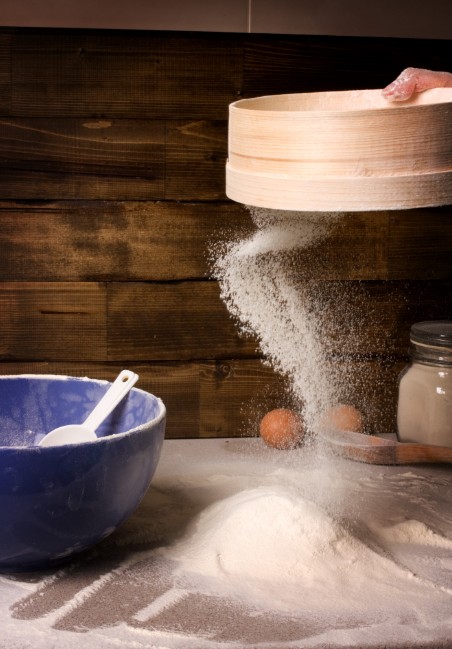
Rabbi Moshe Vaya, a leading authority on kashrut and insects, advises filtering semolina through a fine sugar sifter, allowing the granules to pass through slowly. Whatever remains on the sifter should be checked carefully under good light.
Then, spread the semolina on white paper in the sun for about 10 minutes, and slide the paper away to leave the semolina in a tray.
If any small black or brown dots or worms remain on the paper, the semolina must not be used.
Whole Wheat Flour
Whole wheat flour must also be sifted with a silk sifter, and the bran left in the sifter must be inspected separately. Because bran attracts insects easily, if even small infestation is found, the bran must be discarded. The white sifted flour, however, remains kosher and usable. If the bran is clean, it no longer counts toward the measure for separating challah (hafrashat challah), since it has already been separated through sifting.
Buying Pre-Checked or Frozen Flour
Because it is often difficult to detect small worms — which dry into tiny round specks resembling flour grains, many careful individuals prefer to buy pre-frozen whole wheat or semolina flour, or vacuum-sealed flour packed immediately after milling, with a reliable kosher certification. Such flour is assumed to be clean and does not require sifting.

