 עברית
עברית

Beginners Guide
Why Speaking in Synagogue Is More Serious Than You Think
What does Jewish tradition say about talking during prayer? Here are seven powerful teachings on why silence is essential in the synagogue.
- Gilad Shmueli
- |Updated
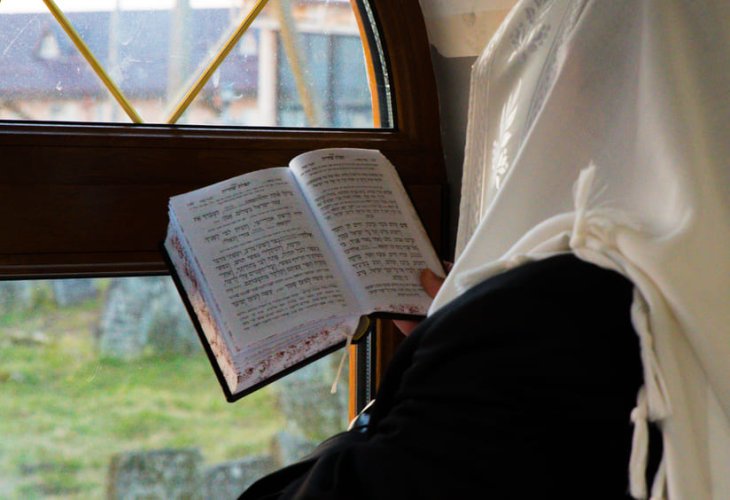 (Photo: shutterstock)
The Sanctity of Speech in the Synagogue
Judaism teaches that a synagogue is not just a gathering place, but a mikdash me’at, a small sanctuary. When we enter it, we stand before Hashem Himself. For this reason, our sages throughout the generations spoke very strongly about guarding our speech in the synagogue, especially during prayer and Torah reading. Speaking casually at these moments is not seen as a small lapse, but as a serious breach of reverence.
What follows are words from great Torah authorities, reminding us of the holiness of the synagogue and the spiritual weight of silence.
Standing Before the King
The Book of the Pious writes:
“It is forbidden to engage in casual conversation or to behave lightly in the synagogue while standing before our King, the Master of all the earth, blessed be His name. Woe to the wicked who act lightly, for they do not fear Hashem nor tremble before Him.” (Section 18)
A synagogue is the place where we stand before the King of Kings. Treating it casually shows a lack of awe and awareness of where we are.
Interrupting Prayer with Idle Talk
Rabbi Moshe Kohen, head of the rabbinical court in Maherin and Poland, writes in The Book of Moshe’s Way:
“How can a person dare to stand before the King of Kings, the Holy One, blessed be He, and speak words that are not part of the prayer, while the congregation praises and glorifies Him? This sin delays redemption, as explained in the holy Zohar. Speaking idle words in the synagogue shows public disrespect toward Hashem in a sacred place. Where is the reverence? Where is the awe?”
Prayer is not only personal. It is a collective act of honoring Hashem, and interrupting it with casual speech undermines that holiness.
A Sin That Weakens Awe of Heaven
The Siddur Ya’abetz writes with unusual severity:
“There is one sin for which it is fitting to cry out publicly, ‘Woe, for we have sinned.’ Even one who merely gestures or winks during prayer is considered as if he did not call upon Hashem. All the more so, one who speaks idle words, even between sections or during the repetition of the prayers, diminishes the awe of Heaven in the sanctum of the King.”
Even small distractions during prayer weaken the atmosphere of reverence that should surround us.
A Clear Halachic Ruling
Rabbi Schneur Zalman of Liadi rules in the Shulchan Aruch (Section 124):
“Anyone who speaks in the synagogue while the congregation is praising the Holy One shows that he has no part in the God of Israel.”
This statement reflects how seriously Jewish law views speech during communal prayer.
The Destruction of Synagogues
The Mishnah Berurah warns:
“Woe to those who speak idle words or engage in laughter during prayer, for many synagogues have been destroyed because their sanctity was treated lightly.” (Section 124, paragraph 27)
The holiness of a synagogue depends on how it is treated by those inside it.
Not Only During the Chazzan’s Repetition
The Piskei Teshuvot explains that this applies broadly:
Speaking is forbidden not only during the chazzan’s repetition, but also during Torah reading and all times when the congregation gathers for prayer. These moments are a time of Divine favor. One who speaks about personal matters then shows that he does not wish to witness the revelation of Hashem’s presence. Even outside prayer times, unnecessary conversation in synagogues and houses of study should be avoided. (Orach Chayim 124, note 7)
A Small Sanctuary with Great Power
Rabbi Chasam Sofer explains:
“Hashem, in His kindness, gave us a small sanctuary in the synagogue and house of study. When treated with holiness, it carries the sanctity of the Land of Israel, and prayers rise to the heavenly gates. But idle talk introduces impurity and foreign forces, causing prayers to be misdirected, as if one were serving idols.” (Sermon for the 7th of Av)
Our behavior determines whether the synagogue becomes a place of holiness or spiritual loss.
The Consequences of Speaking During Prayer
The sages describe severe spiritual consequences for speaking during prayer, including:
Violating the commandment “You shall revere My sanctuary”
Causing prayers to rise in an impure state and be rejected
Delaying redemption
Driving away the Divine Presence
Strengthening the evil inclination
Creating destructive spiritual forces
Harming both body and soul, for oneself and for others
Some sages go so far as to say it would be better for such a person to pray alone at home than to disrupt the sanctity of communal prayer.
The Blessings of Silence
In contrast, the blessings promised to those who remain silent and focused during prayer are extraordinary.
The Ba’al Tosafot Yom Tov writes:
“All the blessings written in the Torah and the prophets will come upon him. He will see righteous offspring and merit goodness in both this world and the World to Come.”
Rabbi Chaim Palagi adds:
“He will live long, lack nothing, be protected from suffering, and merit to enter the house of study in the World to Come.”
The Gate of Ephraim concludes that such a person is protected from harm, blessed with success, honored with wisdom, and raised to serve Hashem with sincerity and truth.
A Simple Choice with Eternal Impact
Silence in the synagogue is not empty. It is filled with awe, respect, and spiritual power. By guarding our speech, we honor Hashem, elevate our prayers, and transform the synagogue into what it is meant to be: a true dwelling place for the Divine Presence.


