
Magazine
Yam Rafaeli: The Artist Who Turned Pain Into Power
The singer reflects on a difficult childhood, self-acceptance, forgiveness, and how faith and music helped him transform adversity into success
- Hidabroot
- |Updated
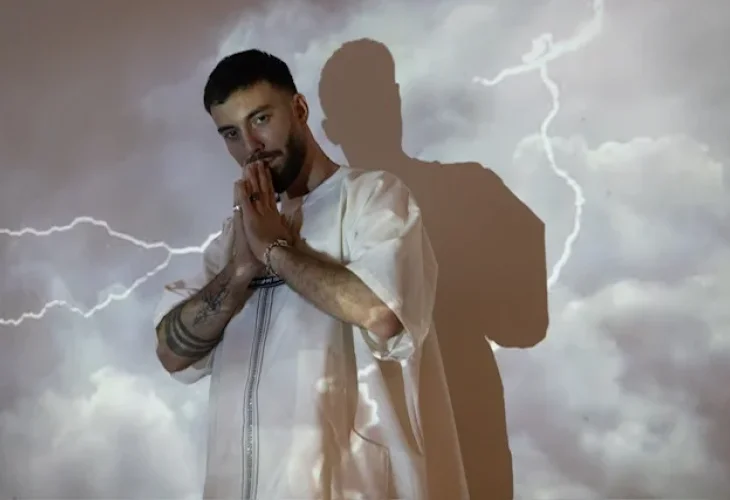 Yam Raphaeli (Photo: Nir Amitai)
“You know how many times I lost motivation to keep going? It isn’t easy to love yourself, especially when you’ve been through so much in life. And I went through quite a lot,” recalls singer Yam Refaeli as he reflects on the difficult period from which he eventually grew.
He is only 27, still at the beginning of his career, yet already racing toward success — with hit songs, high streaming numbers, and concerts that last late into the night.
“Today I live a completely different life. I’m in a new place — I love myself, I love life, I love the world.”
“Just Love Me”
Refaeli’s life was full of hardship. He felt unwanted at home, and unaccepted socially, but those very wounds shaped him and turned him into a powerful musical artist whose pain echoes through his lyrics and melodies.
“It’s a kind of pain that builds you — pain you grow from, pain that helps you understand who you are and why you’re here,” he says. “Without that pain, I wouldn’t be who I am today.”
Why do you believe you came into this world?
“That’s a big question. But I think I came into this world to love — to love myself, to love people, to love the world. Mainly, to love myself and what I do.”
Was this something you realized only later? Did you not always love yourself?
“I didn’t love myself at all — not even my own name. As a child, people would tease me. Kids laughed straight to my face — ‘What kind of strange name is that?’ My childhood was very hard.
“Later I even wrote a song called ‘I Wish I Were Someone Else.’ I really did want to be someone else — someone who was loved, someone people wanted to love.”
His parents divorced when he was young. He grew up with his mother, and after she passed away suddenly, he moved to live with his father, whom he had barely known until then.
“Suddenly everything in my life turned upside down,” he says. “I felt like I didn’t belong, like I wasn’t wanted. There was so much pressure on me at home — it was extremely hard.”
At 17, he left home and found himself alone, without support. “I would sit by myself at night, playing music and crying until I fell asleep. It was an overwhelming feeling of loneliness.”
Did you ever struggle emotionally during that time?
“Of course. It’s very hard to love yourself when you’ve been through so much. I would sit with my guitar — play, cry, play — until I fell asleep. I had no one. It was the hardest feeling a person can experience.”
No one at all?
“Just me, my guitar — and God.”
Today you’re a successful artist, with hit songs and a big following. How did you not lose yourself during the darkest period of your life?
“That’s a real question — because when you’re in a dark place, you don’t see the light. I didn’t see any light at the end of the tunnel. I was fighting for my life — for myself.
“With my mother, life was good — she taught me to be happy. But with my father, everything turned around. So I went out to fight for myself. Today, I’ve reached a place where I see the light. Today I live in the light.”
Does it surprise you to look back and see how far you’ve come?
“Because of everything I went through, it doesn’t surprise me. If you take a bone and break it again and again — it becomes stronger. That’s me.
“It was specifically through the break, through the pain, that I grew. I learned not to be afraid of falling, because in the end, you rise again. The challenges make you stronger and help you see the world differently.”
Are you at peace with yourself today?
“Yes. All the difficulties I experienced brought me to a place of wholeness.
“Not long ago, I was performing in Jerusalem. I came to sing ‘I Wish I Were Someone Else,’ and suddenly I stopped and said to the audience:
‘This is a song I wrote in a very hard time — but today I no longer want to be someone else. Today, I love myself.’”
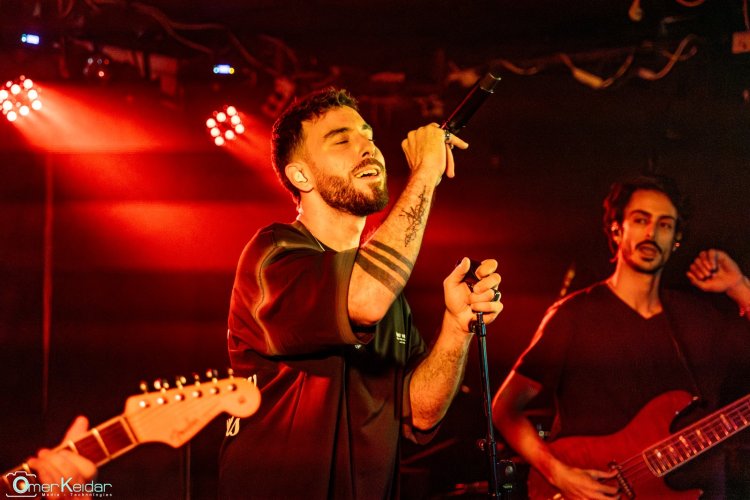 Photo: Omer Kidar
What about forgiveness toward your father?
“Today I’m in a place where I try not to take things too personally.
“If someone doesn’t show up to my wedding or to my concert — does that mean they don’t love me? No. Maybe they just don’t see things the way I do. That doesn’t make them worse, or me better.”
Before Refaeli's wedding, he planned to reconnect with his father — but news came unexpectedly.
“Suddenly I was told that he had passed away,” he says softly. “I wanted so much to invite him to the wedding… but my fears and doubts made me postpone it.
“When he died, I felt like I missed my chance. Today I’ve chosen to forgive. I made peace with it.”
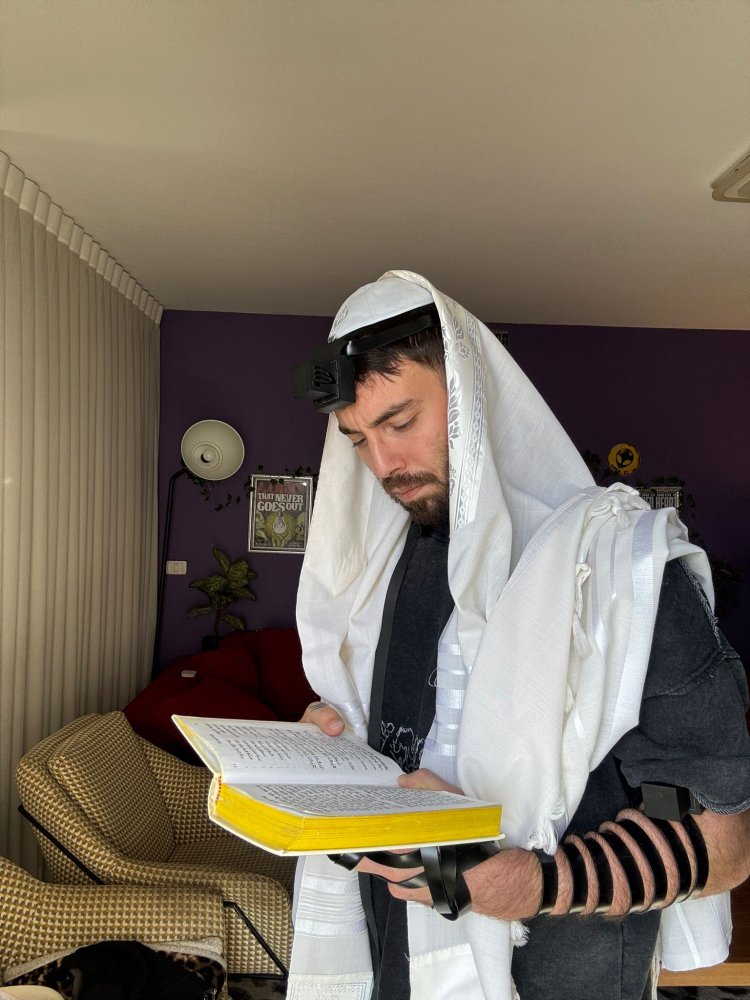
What is your connection with God?
“The strongest connection between us started when I was in a really difficult place. I began talking to Him, and crying to Him.
“One day a friend told me, ‘Come put on tefillin.’ At first I didn’t want to — but he insisted and brought me to a synagogue.
“The rabbi helped me put on tefillin, and in that moment, I felt lighter than ever in my life. “Since then, every morning, I put on tefillin, say the morning blessings, and speak to God. I pray for my relationship, my family, my work.”
Does it feel like your prayers are answered?
“All the time. It’s amazing.”
If you could ask God one question, what would it be?
“I’d ask, ‘God… how are my parents? Are they at peace where they are now?’”
Do you think about that often?
“I live with faith that they are in a good place.”
Is there a mitzvah you would never give up?
“Reciting Shema before bed. It gives me calm and reassurance — especially when I’m alone or traveling. It’s what steadies me and helps me feel safe.”


