
Magazine
“When I Felt Alone, I Spoke to God”: Reut Ora Raz on Faith, Music, and Starting Over
A surprising life journey led her to spiritual connection, motherhood, emotional healing work, and a powerful new song born from heartbreak and hope
- Hidabroot
- |Updated
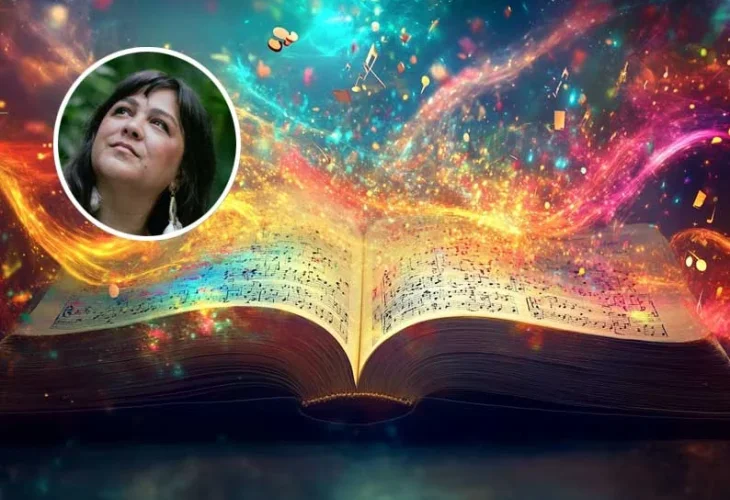 Reut Or Raz's Journey from Secular Childhood to Spiritual Fulfillment
“On Passover we used to buy chametz in Arab villages, but I always felt the presence of the Creator of the World.”
Reut Ora Raz says these words, which seem at first completely disconnected — yet it is clear that she means every one of them.
“I didn’t know what Kiddush was, what it meant to keep Shabbat, or what fast days were. My parents were activists in the Meretz political movement, and I don’t remember anyone in the house ever speaking about God. But in the deepest place in my soul, I knew that there was a Higher Power.
“It influenced my daily life — because I used to speak to God, turn to Him, and share what I was going through. Maybe it was the merit of my ancestors, or maybe because as a child I often felt lonely — and the connection with a powerful spiritual presence gave me a sense of security. So yes, I didn’t know anything about religion, but God always existed.”
From Meretz Activism to Faith in God
As a child, Reut Ora was deeply connected to the world of music — a passion that very quickly became a profession and still accompanies her today.
“I come from a very musical home,” she explains. “My father always composed and wrote music, and my mother was also connected to the field. From a young age they invested a lot in me culturally — choirs, classes, and singing at every opportunity.
“I loved writing and composing songs — it was clear that music was my calling.”
Later she joined an army performing troupe, where she found great fulfillment and joy. “During that time I received various offers to sign contracts with major companies. I also had job opportunities abroad that were very tempting. To this day, I don’t really know what stopped me from signing.
“I’m sure God protected me. It could have felt like I was missing the big opportunities of my life — but in the end, it was Divine protection. Who knows where I would be if I had accepted one of those offers?”
“A Spark of Kindness That Changed Everything”
Her real step toward religious awakening came after the army.
“I worked in an office where one of the cleaning workers was injured and confined to his home. I decided to go visit him. “When I arrived, I saw a broken piano in his house. He told me that back in Russia, he had been the conductor of a huge orchestra — but in Israel, he works as a cleaner.
“His story touched me deeply, and I wanted to help him. I posted on Facebook, telling people about this gifted musician who needed donations to play again. People opened their hearts — and their wallets.
“With the money we raised, I helped him buy a new piano and an accordion. I felt tremendous fulfillment knowing I had helped someone in need.
“But in the end, I believe I was the one who received the greatest reward — because in the music store where I bought his instruments, I met a man who had become religious. We formed a connection — and that was the beginning of my journey toward Judaism.”
 Illustration
How did this transformation affect your life?
“My entire life changed,” says Reut Ora honestly. “At first I was full of spiritual excitement. I thought: now that I’ve returned to faith — I already understand the rules of the game, and everything from now on will be easy.
“Of course, it wasn’t like that. I encountered many challenges along the way, and it took time for me to understand that I am still on a journey that will accompany me for the rest of my life.”
She later enrolled in a women’s Torah program, where she grew stronger spiritually. After several years she married and had two children — to whom she chose symbolic musical names: Her son — Nigun David (David’s Melody), and her daughter — Harmonia (Harmony)
“In time, I also began working in the therapeutic field, counseling women on emotional and personal topics — and I still work in that field today.”
Her return to music came a bit later. “I began performing again — mainly at challah-baking gatherings for women. But this time, my music comes from a deeper, stronger place of faith.
“My goal is to inspire belief and strength in the women who hear my songs — to give them hope.”
How did your family respond to your spiritual shift?
“My parents were completely shocked — and at first, they were strongly opposed to what I was going through.
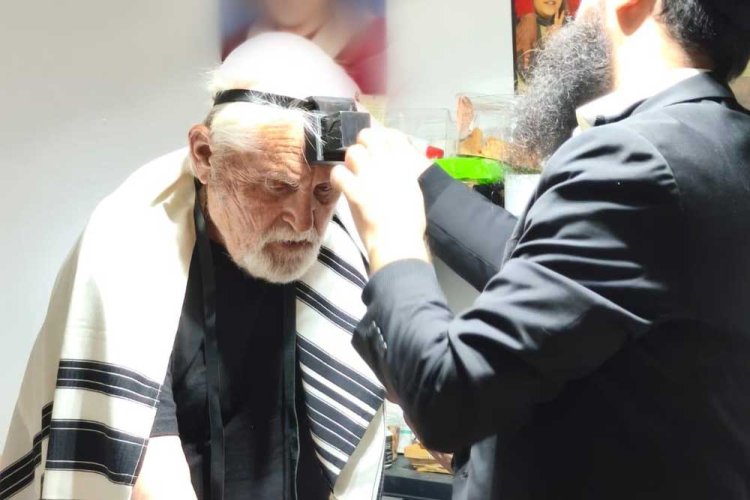
“But interestingly — today, 13 years later, my 89-year-old father has himself become closer to Judaism. He began putting on tefillin, he prays, makes blessings, recites Kiddush on Shabbat, and wears a kippah.
“I know that his spiritual growth came in my merit — and just like me, it took him time to absorb and internalize this new path. It moves me every single time.”
“Not Alone” — And the Birth of a New Song
“Several years ago I had to get divorced and continue raising my children on my own,” Reut Ora shares. “It broke me.
“It was so important to me that my children grow up with a father — someone who would inspire Torah, halacha, light the Hanukkah candles, build a sukkah. “I felt a deep spiritual pain — a pain of the Shechinah itself.
“We also had to leave the moshav and move to a city. In the moshav everyone knows everyone — there’s warmth and community. Suddenly, I felt terribly alone.”
But once again — she turned to God. "As always, I spoke to the Creator of the World. He is my address for everything I need and everything I lack. I asked Him to heal me, and to take care of me and my children.”
At the same time she continued performing — especially for brides and challah gatherings. “In the past, I would tell brides that they are called ‘Nesuot’ — from the word ‘nasa’ — meaning that God carries them in His hands.
“And now, I asked God to carry me too.” From that place, a new song was born, titled “Shabbatot VeChagim — Shabbats and Holidays.”
“It is a song about the quiet loneliness that many women experience — especially on Shabbat and holidays — and especially now, when Israeli society is dealing with loss, orphans, and national trauma still bleeding from the war.
“The song is a real conversation with God — spoken from the gap between the outside world that displays joy, and the inside world where there is brokenness and loneliness.
“It gives voice to something rarely spoken about — the emotional and social pain of sitting at a quiet, empty table during times that are supposed to symbolize family unity.
“It invites us to ask: how can we find Divine presence, compassion, and belonging, even in moments of darkness?”
 Women experiencing loneliness on Shabbat and holidays - Illustration
Who is the song intended for?
“At first, I intended it for women like me — single mothers raising their children alone. “But when I began sharing it, I received messages from single women who said the song spoke deeply to them — because they too often feel that sense of loneliness, especially when everyone else seems to be together.
“It strengthened them to feel that God is with them — just as I describe in the song.”
“Even married women told me they sometimes feel this way. What moved me most was hearing that the song inspired women to take action — to invite lonely women for Shabbat meals, to help them with their children, or simply to appreciate what they have.
“As long as we don’t know another reality — we don’t always know how to be grateful. This song helped them recognize their blessings — to realize that having a husband, a family, and children, means they are truly rich and fortunate.”


