
Health and Nutrition
The Hidden Tick Danger: A Rare Illness That Can Turn Deadly
Flu-like symptoms can sometimes hide a life-threatening infection. Learn how spotted fever spreads, its warning signs, and essential steps to protect yourself during outdoor activities.
- Yuval Aviv
- |Updated
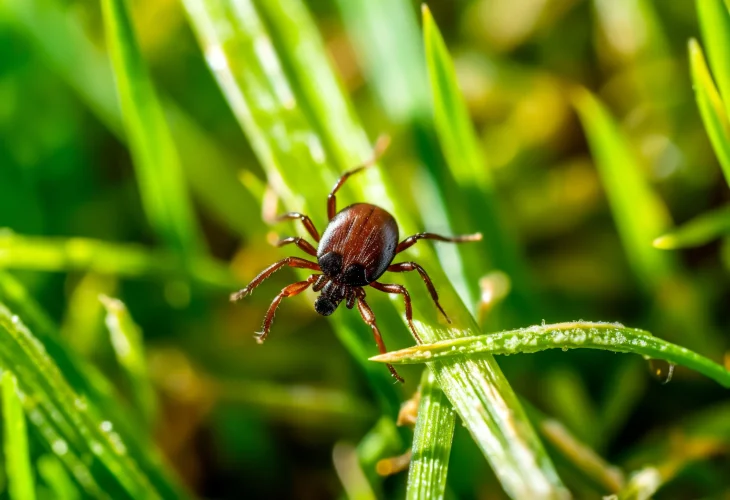 Credit: Shutterstock
Flu or COVID-like symptoms can sometimes mask a far more dangerous condition. That was the case for a 56-year-old man from Israel’s Sharon region, who has been hospitalized for two months at Meir Medical Center in Kfar Saba. He remains sedated and on a ventilator after contracting spotted fever. Experts believe he was infected by a tick bite during a hike near Zikhron Ya'akov.
What Experts Are Saying
"The disease can be fatal if it isn’t diagnosed in time, but it is treatable with a simple course of antibiotics," Professor Oren Tzimhoni, a leading epidemiologist, told N12.
According to Professor Tzimhoni, "This is a disease that can be very dangerous because it attacks the cells lining the blood vessels and can cause multi-system damage and even death in some cases."
Where and How It Spreads
Spotted fever is caused by the bacterium Rickettsia, which is transmitted mainly by the brown dog tick. It is most common in the northern Sharon area, including Hadera, Binyamina, Givat Ada, Or Akiva, Pardes Hanna–Karkur, and surrounding regions, as well as in the Negev. Infections typically occur in the summer months.
Professor Galia Rahav, an infectious-disease expert, told ynet, "It’s a disease that is usually transmitted by dog ticks, but it can also be transmitted through contact with contaminated grass, and you don’t always feel that you were bitten at all."
Why It’s Often Missed
The real danger lies in its tricky diagnosis. Symptoms such as fever, headache, weakness, stomach pain, and rash can resemble many other common illnesses.
"In cases with a history of hiking in nature, feeling unwell without a clear focus, and suspicion of a bite, you should suspect spotted fever, even if initial tests are inconclusive," Professor Tzimhoni emphasized.
Ticks carrying the bacterium are mainly found in areas where dogs have been and during transitional seasons. "Even a nature hike where dogs had been earlier can expose people to ticks," he warned. "It’s important to note that only a very small percentage of tick bites will result in transmitting the disease."
Professor Tzimhoni concluded, "It’s important to start appropriate antibiotic treatment early and not wait for full laboratory confirmation."
How to Protect Yourself
Experts recommend taking precautions when hiking in nature. Check your body thoroughly after a hike, remove any ticks you find, and shower as soon as possible.
If you develop suspicious symptoms, seek medical evaluation promptly and inform your clinician about your recent hiking history. Early awareness and action can save lives in cases of spotted fever, a rare but potentially dangerous illness everyone should know about.


