
Tu Bishvat
How Many Trees Grow in Israel? Fascinating Facts About the Trees of the Land
Surprising facts about Israel’s trees, forests, and Tu B'Shvat traditions
- Orit Gruskot
- |Updated
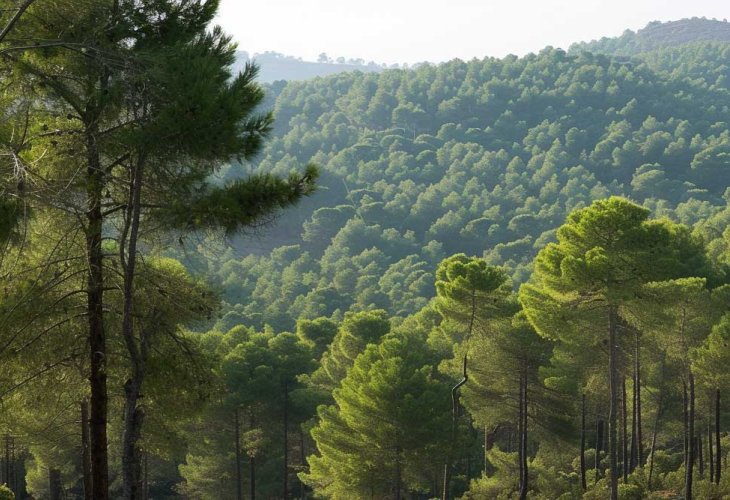
The Land of Israel is home to a wide range of trees — from pine and poplar to palm and tamarisk. These trees are an important part of the local landscape: they provide fruit and shade, serve industry, produce oxygen, help cool the air, reduce street noise, and improve air quality.
Following is a collection of fascinating facts about the trees of the Land of Israel.
How many trees grow in Israel today?
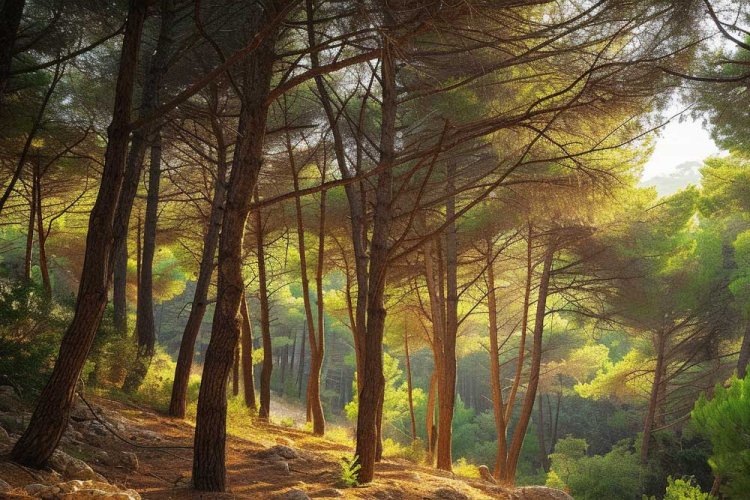
Small as it is, the Land of Israel is blessed with several different climate zones, which allow many types of plants and trees to grow. More than 200 million trees grow in Israel, spread across 280 forests.
What is the total forest area in Israel?
Israel is one of the few countries in the world that has more trees today than it did 100 years ago.
In 1901 — the year the Jewish National Fund (JNF/KKL) was founded, there were only 1,400 dunams of forest in Israel. By 1942, there were about 8,750 dunams of planted forests. Today, Israel has approximately 300,000 dunams of forests.
Which is the oldest tree in Israel?
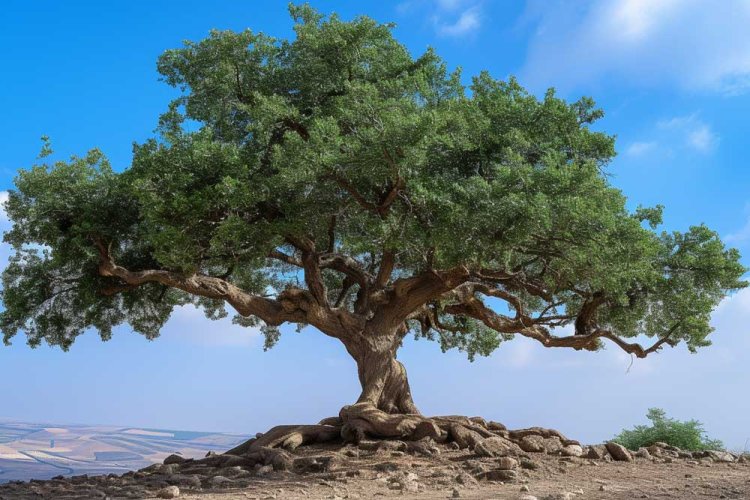
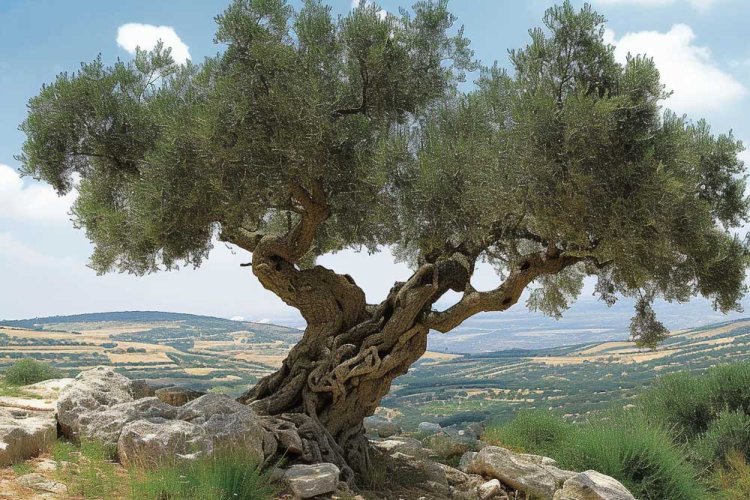
Until 2022, a giant jujube tree was considered the oldest tree in the country. In 2022, however, an even older olive tree was discovered. Using carbon dating on the dry inner part of its trunk, researchers determined that it is about 4,000 years old.
Which tree is planted the most in Israel?
On the slopes of Mount Hebron lies Yatir Forest, the largest planted forest in the country. It contains about 4 million trees spread over 7,400 dunams, many of them pine trees. The pine tree is the most common tree in Israel, covering about 40% of the country’s forested areas. The two main species are the Jerusalem pine and the Aleppo pine.
Why are there so many eucalyptus trees in Israel?
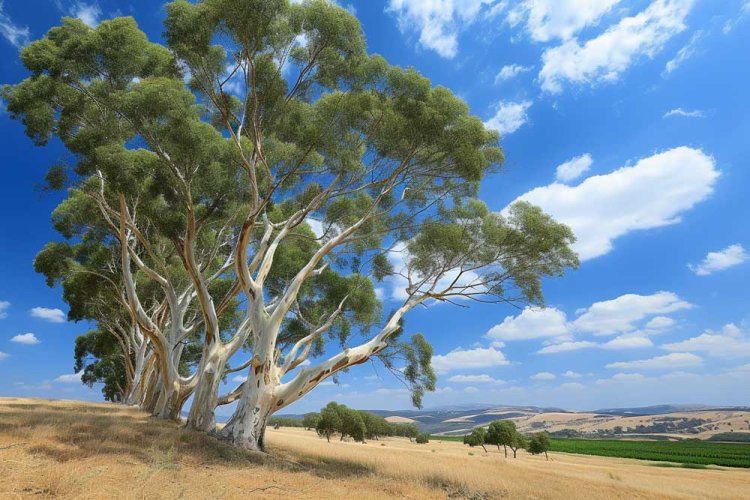
Eucalyptus trees were brought to Israel from Australia in the early 1860s, among other reasons to help drain swamps. The tree adapted well to the land and became a familiar and iconic part of the Israeli landscape.
Which main fruit trees grow in Israel?
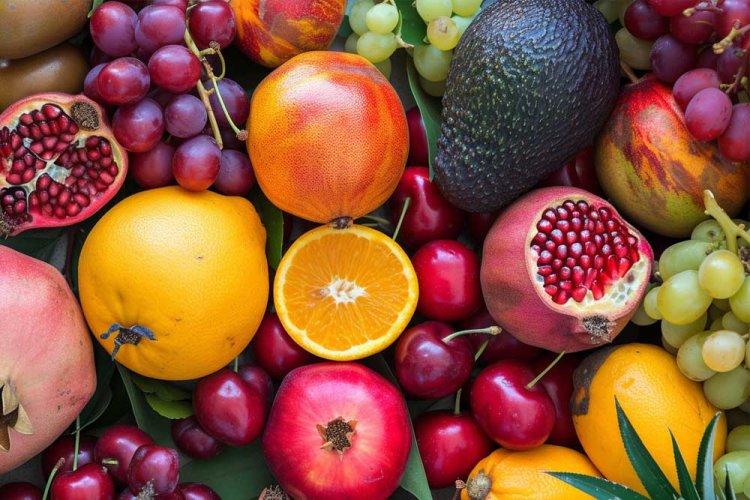
The soil of the Land of Israel is fertile and blessed. More than 40 types of fruit grow in Israel, including: citrus fruits, avocados, bananas, apples, olives, cherries, figs, plums, nectarines, grapes, dates, strawberries, persimmons, loquats, prickly pears (sabra), and pomegranates.
Which tree species are most common in Israel?
The most common trees in Israel are: Jerusalem pine, Mediterranean pine, olive tree, and eucalyptus.
What is the national tree of Israel?
Israel’s national tree is the olive tree. The olive tree is one of the Seven Species with which the Land of Israel is praised and is mentioned many times in the Torah. It was officially chosen as Israel’s national tree by the JNF in 2021, marking the organization’s 120th anniversary.
What is the rarest tree in Israel?
One of the rarest trees in Israel is the strawberry tree (Arbutus andrachne), which grows only in Israel. It is an evergreen tree that can live for hundreds of years, growing in mountainous and rocky areas up to about 1,200 meters above sea level. It is characterized by shiny green leaves, small white flowers, and dark red fruit. The strawberry tree is a protected species in Israel and an important part of the local landscape.
Which tree symbolizes Tu B'Shvat?
The almond tree symbolizes Tu Bishvat more than any other tree for many Israelis. The almond tree is native to the Land of Israel and has grown here for thousands of years. Israel is one of the world’s leading producers of almonds. Beyond its beauty, the almond tree is an important part of the Israeli landscape and provides a habitat for a wide variety of wildlife, including birds, mammals, reptiles, and insects.

