
Health and Nutrition
Dark Chocolate and Diabetes: A Sweet Solution?
Can chocolate fit into a diabetic's diet? Discover the significance of comprehensive care and advanced monitoring for diabetes management.
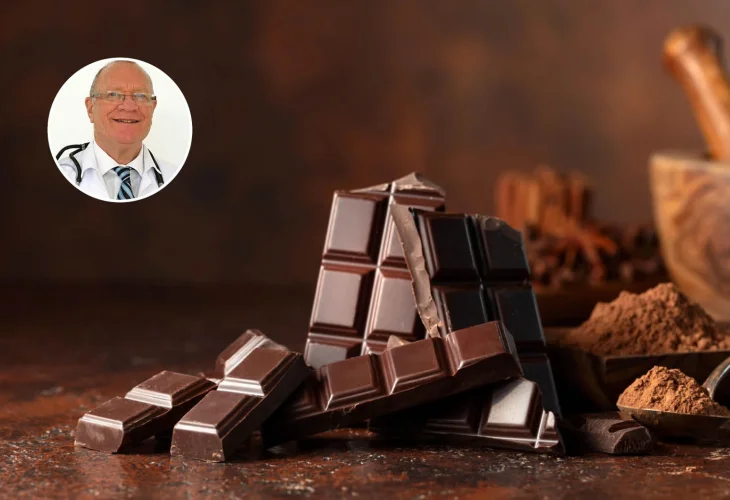
Can Chocolate Be Part of a Diabetic’s Diet? The Surprising Truth Behind Dark Chocolate and Blood Sugar Control
Can chocolate be part of a diabetic’s diet? Many people might raise an eyebrow at this question, but recent studies offer a surprising answer: dark chocolate with at least 70% cocoa solids isn’t just permissible—when enjoyed in moderation, it may actually support better health. And with International Dark Chocolate Day tomorrow (January 10), it’s the perfect moment to explore its effects on heart health, glycemic balance, and—most importantly—the broader need for comprehensive care and advanced monitoring for people living with diabetes.
Dark Chocolate: A Healthier Indulgence
Dark chocolate is rich in flavonoids, powerful antioxidants known to improve blood vessel function, reduce blood pressure, and lower insulin resistance. Research shows that moderate consumption—about 6 to 25 grams per day (half to two squares)—can reduce the risk of cardiovascular disease.
Surprisingly, dark chocolate often contains fewer carbohydrates than many “sugar-free” chocolates, which sometimes rely on artificial sweeteners that may negatively affect metabolism. For diabetics, however, the question of “what’s allowed” is rarely black-and-white. The secret isn’t total avoidance—it’s balanced choices guided by real-time blood sugar monitoring.
Monitoring Blood Sugar: The Foundation of Proper Management
In Israel, tens of thousands of people are living with diabetes—and many more are considered pre-diabetic. Beyond medication and nutrition guidance, continuous blood sugar monitoring is essential. Without accurate monitoring, patients may fail to detect sharp spikes in glucose levels, putting them at risk for serious complications, including kidney, eye, and heart damage, or even limb amputation.
Fortunately, modern technology offers advanced tools such as continuous glucose monitoring (CGM) systems, which provide real-time glucose data without the need for finger pricks. These sensors allow both patients and healthcare teams to follow trends throughout the day and make informed decisions about meals, exercise, and even medication adjustments.
Yet despite these technological advances, many individuals with diabetes in Israel are still waiting for comprehensive coverage of these essential tools within the national health basket. This need extends far beyond devices—it includes holistic, personalized care that addresses nutritional, emotional, and functional needs. Comprehensive support, alongside proper monitoring, can dramatically improve quality of life and prevent dangerous medical deterioration.
Diabetes Can Be Successfully Managed
The most important message for anyone living with diabetes is this: the condition can be controlled, and with the right tools, it is entirely possible to maintain a high quality of life—and even enjoy healthy treats like dark chocolate. Success lies in awareness, continuous monitoring, balanced nutrition, physical activity, and a holistic care system that addresses every aspect of the condition.
On International Dark Chocolate Day, let this serve as a reminder that it’s not only about enjoying a sweet moment—it’s about embracing a life of balance: between food and health, technology and wellbeing, independence and professional support. Everyone deserves access to the tools that make this balance possible.
Prof. Julio Weinstein is a diabetes specialist at the DMC Diabetes Treatment Center and Wolfson Medical Center.

