
Soup Recipes
The Rambam’s Guide to Healthy Eating: Nutrition, Balance, and a Better Life
Timeless principles from Maimonides on food, digestion, mental health, and sustainable well-being
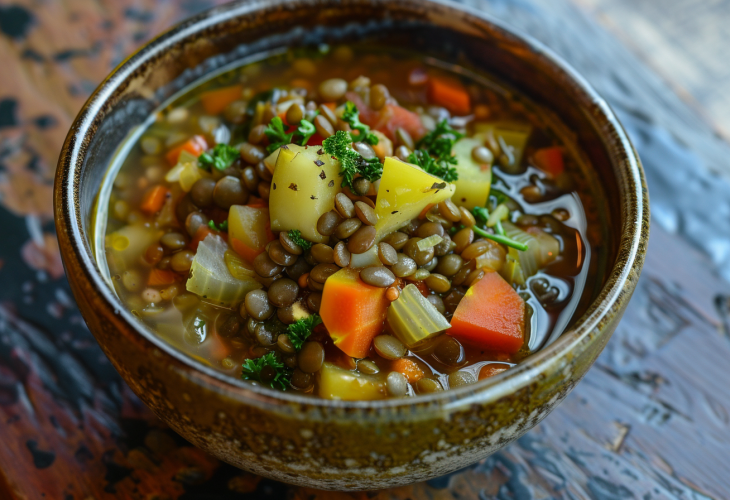
Proper nutrition is not just a popular phrase or a method for losing weight, but is essential for maintaining optimal physical and mental health. When our body receives the vital components it needs, including vitamins, minerals, proteins, carbohydrates, and fats, it can function properly. By maintaining a balanced diet, we strengthen the immune system, maintain a healthy weight, improve mood, and help prevent chronic diseases such as diabetes, heart disease, and various types of cancer.
The Rambam’s Approach to Nutrition and Health
According to the holy Rambam, Rabbi Moses ben Maimon (Maimonides), proper nutrition is a central principle in preserving health and quality of life. The Rambam was not only a rabbi and halachic authority, but also a physician and philosopher. He emphasized the deep connection between a healthy lifestyle and balanced, correct nutrition.
In his ancient medical writings, he presented nutritional principles based on extensive medical observation and experience, while integrating biblical and Talmudic knowledge.
According to the Rambam, proper nutrition balances all aspects of the human being: body, mind, and spirit. It combines healthy eating, physical movement, and spiritual work to create the ideal balance for human wholeness.
Core Nutritional Principles According to the Rambam
Eat in Moderation
The Rambam emphasizes the importance of eating in proper amounts and at regular times. He advises against eating until complete fullness, recommending that one leave a little space in the stomach to avoid heaviness and fatigue. He also stresses the importance of eating at consistent times during the day to support balanced bodily function.
Choose Foods That Are Easy to Digest
The Rambam recommends consuming foods that are easy to digest as part of a healthy lifestyle. These include cooked vegetables, ripe fruits, whole grains, well-cooked legumes, fish, low-fat dairy products, and soups. Proper cooking methods — steaming, baking, or boiling rather than frying — moderate eating, and thorough chewing all help promote healthy digestion.
Water — Timing Matters
The Rambam advises drinking sufficient water throughout the day, but not large amounts immediately after meals or during eating. He recommends drinking mainly between meals so as not to burden digestion.
The Correct Order of Eating
According to the Rambam, meals should begin with foods that are easier to digest and gradually move to heavier foods. This order helps the digestive system function more effectively. For example, one should begin with vegetables and fruits, continue with legumes and grains, and finish with protein sources such as meat or fish.
A Balanced and Varied Diet
The Rambam recommends a diet that includes a wide variety of natural, nourishing foods to ensure the body receives all necessary nutrients. Daily meals should therefore include vegetables, fruits, whole grains, legumes, lean meats, fish, and dairy products.
Avoid Harmful Foods
The Rambam highlights the importance of avoiding harmful foods, such as fatty meats, fried foods, and processed foods. He stressed the value of fresh, natural ingredients. In today’s world of abundance, this means avoiding ultra-processed foods such as sausages and deli meats, processed cheeses, sugar-rich cookies, sweetened beverages, fast food, and more.
Eat in a State of Calm
The manner of eating also matters. According to the Rambam, meals should be eaten calmly and peacefully, not in a state of anger or stress. Calm eating supports better digestion and overall health. He emphasized the importance of a pleasant mealtime atmosphere, which also benefits mental well-being.
Rest After Eating
The Rambam advises avoiding strenuous physical activity immediately after a meal. One should wait before engaging in physical exertion to allow digestion to proceed efficiently. He recommends light rest after eating, but not sleeping immediately after a meal.
Physical Activity
The Rambam stresses the importance of regular physical activity. He recommends daily movement to improve digestion, strengthen muscles, and maintain heart and cardiovascular health.
Adequate Rest and Sleep
The Rambam emphasizes the need for sufficient rest and sleep to maintain both physical and mental health. He recommends going to sleep early, waking early, and ensuring 7–8 hours of sleep per night.
Cleansing the Body
The Rambam recommends periodic cleansing of the body through fasting or mild cleansing diets to support digestive health and eliminate accumulated toxins. (Note: This should only be done with professional guidance).
Maintaining Mental Health
The Rambam also addresses the importance of mental health and its effect on the body. He advises maintaining emotional balance, avoiding unnecessary anger and stress, and seeking ways to relax. At the same time, he notes that proper nutrition can improve mood and provide energy and strength for daily life.
Maintaining Hygiene
The Rambam emphasizes the importance of personal and environmental hygiene. He recommends keeping the body, clothing, and living environment clean to prevent illness and infection.
Recommended Healthy Foods According to the Rambam
Fish
The Rambam recognized the nutritional value of fish and recommended them as part of the daily diet. He viewed fish as a good source of protein and omega-3 fatty acids and advised choosing fish that are easy to digest and not overly fatty. He recommended baking or cooking fish rather than frying them, and emphasized avoiding the consumption of fish and meat together in the same meal, as he believed this combination burdens digestion.
Recommended fish include: salmon, mackerel, tuna, cod, sea bass.
Fruits and Vegetables
The Rambam emphasized fruits and vegetables as essential sources of vitamins, minerals, and dietary fiber. He recognized their role in digestive health and their antioxidant properties that protect against disease. He believed cooked vegetables are easier to digest while still providing vital nutrients. Regarding fruit, he recommended consuming ripe fruits in moderation due to their higher sugar content.
Olive Oil and Healthy Fats
Olive oil is a rich source of healthy fatty acids, including omega-3 and omega-6. It is recommended for cooking and salads. Other healthy oils, such as coconut oil and avocado oil, are also beneficial.
Complex Carbohydrates and Dietary Fiber
Complex carbohydrates and dietary fiber support proper nutrition and healthy digestion. Examples include vegetables (carrots, cabbage, zucchini), fruits (apples, pears, dates), legumes (lentils, chickpeas, beans), and whole grains (whole wheat, barley, brown rice).
Dairy Products
The Rambam recommends moderate consumption of dairy products, especially low-fat options such as low-fat milk, natural yogurt, and lean cheeses.
Spices and Herbs
The Rambam encourages the use of fresh spices and herbs to enhance both flavor and health. Examples include parsley, cilantro, basil, and turmeric.
Sample Meals According to the Rambam
Breakfast
Natural yogurt with honey and a small amount of nuts
Whole-grain bread with avocado and a hard-boiled egg
Lunch
Fresh vegetable salad with cooked chickpeas and tahini
Baked fish with cooked vegetables (such as zucchini and carrots) and brown rice
Dinner
Vegetable soup with lentils
Leafy lettuce salad with feta cheese and olive oil
Snack
Fresh fruit such as an apple or pear
A handful of natural almonds or walnuts
Recipe: Hearty Vegetable and Lentil Soup
Ingredients
1 cup green or brown lentils
2 tablespoons olive oil
1 large onion, finely chopped
2 carrots, peeled and diced
2 zucchinis, diced
2 celery stalks, diced
3 garlic cloves, crushed
1 large tomato, diced
1 potato, peeled and diced
1 tablespoon chopped parsley
1 tablespoon chopped cilantro (optional)
1 level tablespoon salt
1 teaspoon sweet paprika
½ teaspoon ground cumin
¼ teaspoon black pepper
8 cups boiling water
Preparation
Rinse the lentils well and soak them in cold water for 30 minutes. Drain and set aside.
Heat the olive oil in a large pot over medium heat.
Add the chopped onion and sauté until soft and translucent, about 5 minutes.
Add the garlic and sauté for another minute, being careful not to burn it.
Add the carrots, zucchini, celery, potato, and tomato.
Stir and cook for about 5 minutes until the vegetables begin to soften.
Add the lentils and spices, stirring well.
Pour in the water and bring to a boil.
Once boiling, lower the heat, cover, and simmer for 30–40 minutes, until the lentils are tender and the vegetables are fully cooked.
Add the parsley and cilantro (if using).
Cook for another 5 minutes, taste, and adjust seasoning as needed.
Serve hot with a slice of whole-grain bread or a healthy cracker.
Important Notes:
It is recommended to consult a nutritionist or physician before making significant dietary changes.
The content provided here does not constitute professional advice, a recommendation, or a substitute for medical consultation or expert guidance.

