
5 Points to Ponder
The Hidden Messages of Nature: How the Human Body, Faith, and the Natural World Reveal a Bigger Design
From breast milk intelligence to perfect biological systems and surprising patterns in nature — uncovering the mystery behind our world
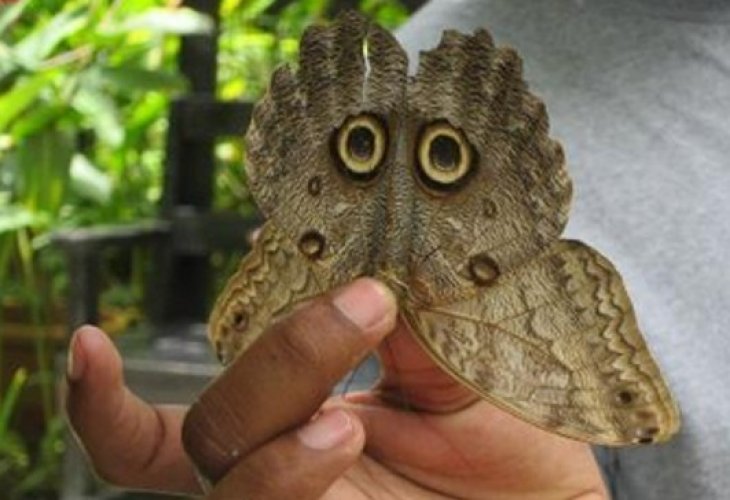
Two women gave birth in the same week of pregnancy, on the same day, at the same hour, at the same minute. One baby weighs 4 kg. The second baby weighs 2.5 kg.
The composition of the breast milk that the 4-kg baby drinks is different from the milk composition of the 2.5-kg baby. For example, the milk of the larger baby contains less fat and less glucose than the milk of the smaller baby.
One would expect the milk composition to be identical for both babies because they were born at the same moment, but in reality the milk composition changes according to the physiological needs of each infant. A smaller baby requires more fat and more glucose compared to a larger baby.
This is an astonishing wonder. But how does the composition of the mother’s milk — coming from the mother’s body, change according to the needs of the infant, when the two are separate biological systems? How does the mother’s body know what nutrients to produce when the infant cannot speak or explain what he needs?
How can such perfect synchronization exist between two completely separate systems?
There are receptors located in the mother’s nipples. Through these receptors, the mother’s body receives essential information about the baby’s needs, through the baby’s saliva during nursing. The mother’s body “reads” the chemical data in the saliva and adjusts the milk composition accordingly — based on the baby’s physiological needs, hormonal changes, biological clock, and more.
In the very moment of nursing, the baby signals to the mother through the saliva what he needs, through the receptors in the nipple — and the mother then produces milk precisely tailored to those needs without even being aware of it.
Who is the “engineer” who created such perfect and miraculous synchronization between two separate systems that nourish one another?
What Is True Faith?
At times I meet people who say they believe in the Creator and His guidance in the world, yet in practice I notice that many hold a mistaken view of how God conducts the world.
What is the true perspective of Divine Providence? Following are familiar everyday examples:
Matchmaking:
“It’s not that the shidduch was canceled because I didn’t speak well during the date. Rather, because this wasn’t the match destined for me, I didn’t speak well.”Livelihood:
“It’s not that I have no income because I don’t have a job. Rather, because it was decreed that I won’t have income, I don’t have a job.”Marriage:
“It’s not that I have nothing to eat because my wife didn’t cook. Rather, because it was decreed that I wouldn’t eat that day, the wife didn’t cook.”Loss:
“It’s not that the thief stole my money. Rather, because it was decreed from Heaven that my money would be stolen, they sent the thief to me.”Car accident:
“It’s not that the driver was careless and therefore I had an accident. Rather, because it was decreed that I would have an accident, the driver who hit me was careless.”Falling:
“It’s not that I tripped over a stone. Rather, because it was decreed that I would fall, I was not careful around the stone.”Appearance:
“It’s not that people avoid me because I am unattractive. Rather, because it was decreed that people should distance themselves from me, I appear unattractive.”
Faith is not only believing there is a Creator, but believing that everything — from the creation of the universe, to the death of a person, to a single leaf falling from a tree, is under constant, exact Divine supervision. A person who attributes all events in life solely to the Creator and not to people will not complain or harbor anger, because he knows everything is from God and everything is for his good — bringing him incomparable peace and serenity.
At the same time, every person has free will. It is written:
“Everything is foreseen, but permission is given.” (Pirkei Avot 3:15)
God knows in advance what a person will choose, but He does not force the choice. There is a difference between knowing the future and determining the future. God sees what a person will do, but the person makes the decision.
“For God, everything is foreseen”, but “free will is given” — we determine what we will do. When a person overcomes his impulses and faces his challenges, he receives reward from God accordingly.
 (Photo: shutterstock)
How Do Our Bones Avoid Rubbing Against Each Other?
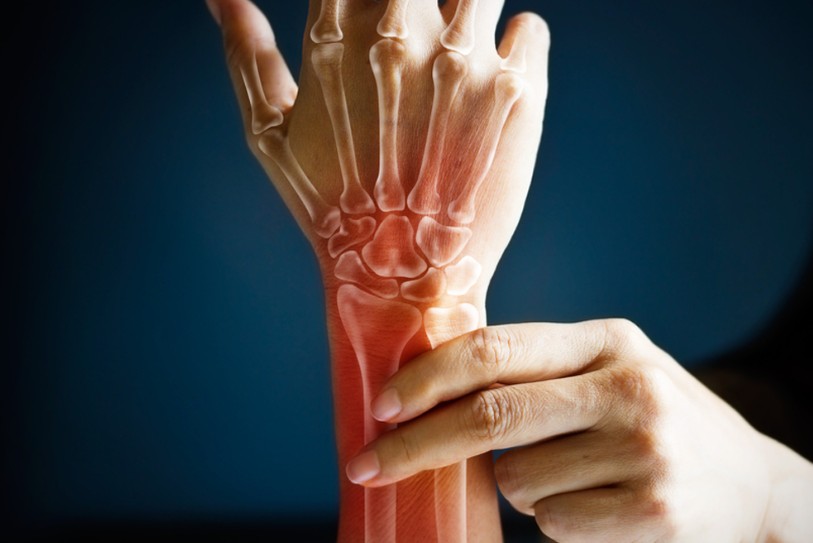
Our body consists of many bones connected together. A joint is the area where two or more bones meet. These joints allow movement of walking, bending, using fingers, playing ball, dancing, and more.
How is it that our bones do not scrape painfully against each other? Especially in weight-bearing joints like the knee or hip?
Every human joint is lined with cartilage. Cartilage is a dense, flexible connective tissue that:
separates the bones in the joint
prevents friction between bones
reduces pressure
absorbs shocks during movement
When cartilage wears down, bones may rub against each other, causing pain and limited movement — especially in the knee, hip, and ankle.
Who created this special connective tissue exactly in the places where bones meet? Who knew to place this protective material throughout the body to prevent friction and preserve mobility?
 (Photo: shutterstock)
Perfect Coordination Between Separate Systems: The Living and the Plant World
The theory of evolution claims that species developed randomly.
But we all understand that random development could never produce systematic coordination between completely different systems in nature.
Nature is filled with separate systems that perfectly complement each other in sophisticated and interdependent ways — clearly indicating intentional design by a single Creator.
Following are some examples:
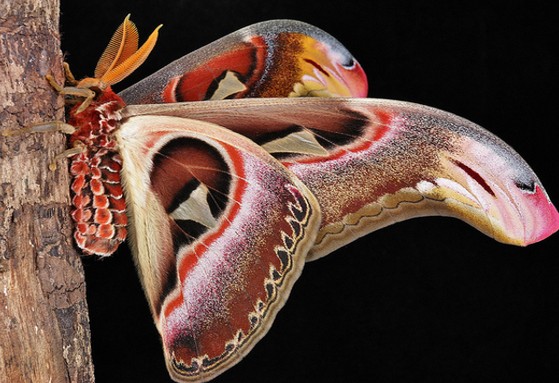
1. The Owl Butterfly
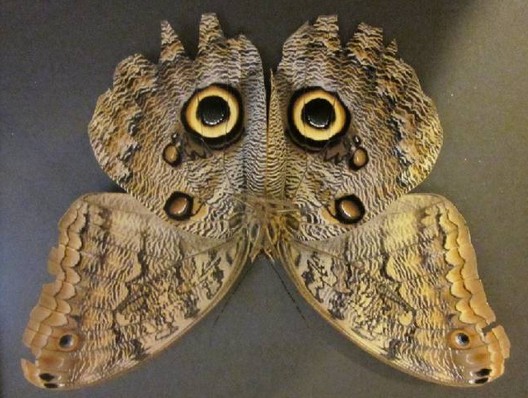
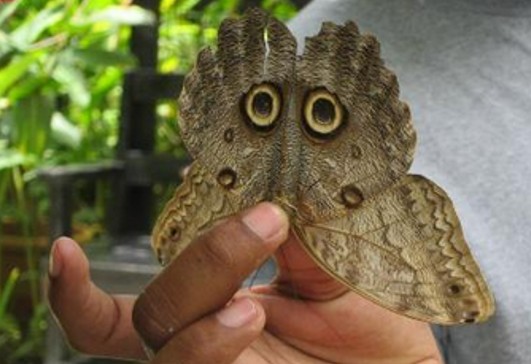
This butterfly has eye patterns on its wings that resemble the eyes of an owl — a predatory bird feared by smaller birds. This frightens predators and protects the weak butterfly.
Is it possible that such a realistic depiction of a predator’s eyes appeared by accident? Clearly, the butterfly, the small bird, and the owl were all created in perfect coordination.
2. The Atlas Moth (“Snake Head Moth”)
This moth has wing tips that look exactly like two snake heads, scaring predators. Who “painted” the snakes? How did nature “know” its enemies? How was this inherited “by chance”?
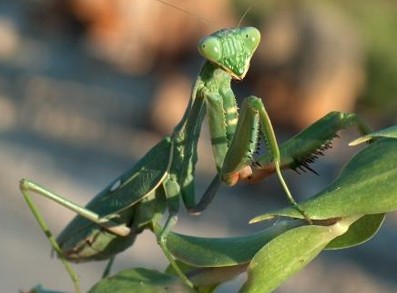
3. The Praying Mantis
This mantis looks exactly like a real leaf. The resemblance is astonishing.
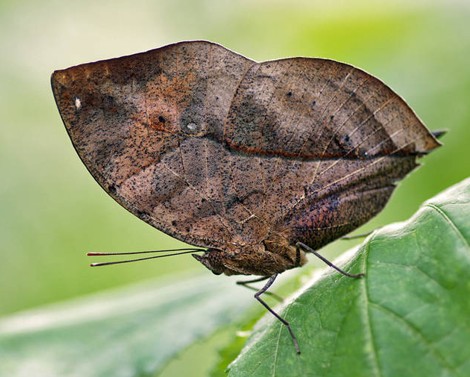
4. The Dead Leaf Butterfly
When its wings are closed, it looks like a dry leaf which serves as an incredible camouflage that protects it.
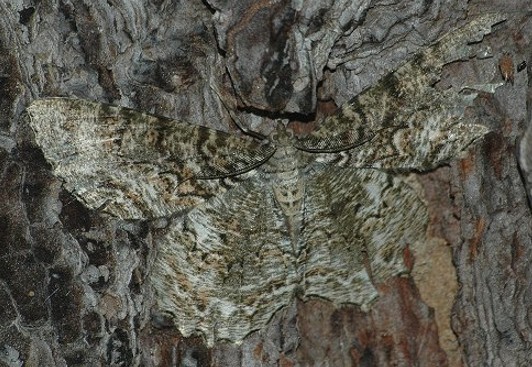
5. The Tulip-tree Beauty Moth
It blends almost invisibly into the bark of trees.
“The Green Line”
Have you ever wondered why the border between Israel and Judea & Samaria is called “the Green Line”? What does green have to do with it?
Some say it comes from the green pencil used to draw the line on historic maps, but there is another reason. If you look at Israel from above, you can clearly see the contrast: Where Jews live, everything is inhabited, blooming, and green. Where Arab populations live, much of the land is barren and abandoned.
Before critics protest, let’s address real data:
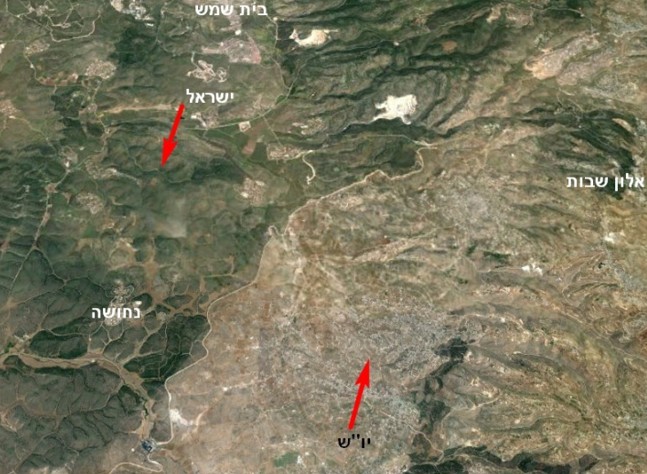
1. Israel was desolate for 2,000 years.
How is it that none of the many rulers and populations managed to revive this incredibly fertile land? Ask grandparents who came here decades ago: “What was in Israel when you arrived?” The answer: “Sand… swamps… nothing.”
Mark Twain, the famous American author, visited the land about 120 years ago and wrote:
“A desolate land…”
“Even imagination cannot furnish it with life or action…”
“Not a living soul along the way…”
“A cursed, barren land…”
2. Drive along Route 60.
On both sides you'll see barren hills. But with a slight turn of the head you see Jewish towns of Ariel, Ofra, Beit El, that are full of greenery and flourishing life.
3. During the 2005 disengagement, Israel handed over fertile, green, thriving land.
Critics mocked Israel for “growing vegetables in sand.” Today, years later, that area is barren once again. Despite receiving fully developed infrastructure, they did not succeed in cultivating it.

