
Torah Personalities
The Chofetz Chaim: The Rabbi Whose Ethical Teachings Still Inspire Millions
How Rabbi Yisrael Meir HaKohen’s life, values, and books continue to guide Jewish communities today
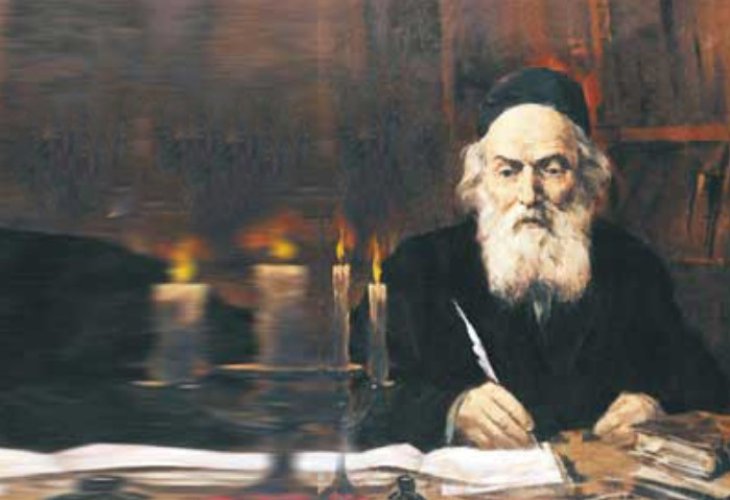 The Chafetz Chaim | Rabbi Yisrael Meir Kagan
Rabbi Yisrael Meir HaKohen ben Aryeh Ze’ev, known worldwide as the Chofetz Chaim, was one of the most influential Jewish leaders of the pre-Holocaust era. He passed away on 24 Elul 5693 (September 15, 1933) at the age of 94.
His Enduring Legacy
The Chofetz Chaim left a monumental legacy for all future generations, primarily through his extensive writings and his remarkable public activism.
His first great public project focused on ethical speech and avoiding gossip or harmful talk. To this end, he authored two foundational works:
“Chofetz Chaim”
“Shemirat HaLashon”
He was known for meticulously living by the laws he taught, guarding himself from negative speech in every situation. Beyond this, he emphasized the importance of interpersonal mitzvot, and wrote extensively on kindness, including the book “Ahavat Chessed.”
His Most Influential Halachic Work
The Chםfetz Chaim’s most widely studied book is the “Mishnah Berurah,” published in six volumes. This monumental work explains and analyzes the laws of daily Jewish life as found in the Orach Chaim section of the Shulchan Aruch, summarizing centuries of halachic debate and offering clear rulings based on Talmudic sources and early rabbinic authorities.
Over time, “Mishnah Berurah” became the central legal code of the Ashkenazi world and has deeply influenced Sephardic communities as well. For many observant Jews today, it is considered the most authoritative halachic guide.
A Prolific Author
The Chofetz Chaim wrote an extraordinary number of books spanning Jewish law, ethics, personal growth, and communal responsibility. Among them:
Igrot HaChofetz Chaim
Torat Kohanim with his commentary
Davar Be’ito (on the laws of forbidden foods)
Chomat HaDat – a call to strengthen Torah observance and inspire others
Zachor LeMiriam
Sfat Tamim and additional works on guarding one’s speech
Likutei Halachot
Sefer HaAruch
Machaneh Yisrael – guidance for Jewish soldiers serving in foreign armies
Mishnah Berurah
Nidchei Yisrael – for Jews living in places where maintaining Jewish life was difficult
Sefer HaMitzvot HaKatzar
Tzipita LiYeshuah – essays about anticipating redemption and the coming of the Messiah
Kuntres Tiferet Adam – on grooming laws
Shem Olam – including sections on Shabbat observance, kindness, and supporting Torah scholars
Torah Or
Aggadot Chazal
Torat HaBayit
Each work reflects his passion for accessible Torah learning and sincere religious growth.
The Grocery Store That Became a Lesson in Integrity
The Chofetz Chaim opened a small grocery store, which his wife managed with honesty and care. He personally:
Checked the store’s weights daily
Refused to sell any spoiled goods
Closed the store at midday to ensure other shopkeepers could also earn a living
Managed the finances late at night
Eventually, concerned that he might unintentionally violate laws of theft or harm the livelihood of neighboring shopkeepers, he closed the store entirely.
Protecting Shabbat and Supporting Jewish Soldiers
He personally visited factories and workplaces to request that Jewish employees be released from work on Shabbat.
Additionally, he organized a large-scale effort to supply kosher food to the tens of thousands of Jewish soldiers serving in the Polish army between World War I and II.
Strengthening Family Purity Laws
The Chafetz Chaim worked tirelessly to reinforce the observance of taharat hamishpacha (family purity laws). He published “Taharat HaBayit” and even delivered lectures to large groups of women in the Great Synagogue of Vilna.
His Marriage and Humility in Choosing a Spouse
The Chofetz Chaim married the daughter of his stepfather from a first marriage. His older brothers objected, insisting he accept wealthier and more prestigious matches. He refused, explaining that preserving peace between his mother and stepfather was more important.
Years later, he told his son: “If not for this small town and your mother’s deeds, who knows whether I would have succeeded in Torah — or been swept away by worldly worries like other boys my age.”
His son described his mother as a woman of deep kindness, humility, and devotion, who never requested anything for herself and encouraged her husband only to grow in Torah and spiritual work.
When buying clothing for their son's wedding, the shopkeeper blessed him to become a successful merchant. His mother scolded the man and said: “Who asked for such a blessing? Bless him that he should become a great and God-fearing man!”
Personal Practices and Character Traits
The Chofetz Chaim was known for his remarkable discipline, compassion, and humility:
Prayed nightly in the attic of his home, reflecting on his actions and pleading for the needs of the Jewish people.
Checked on the welfare of Radin’s residents and made peace between couples and neighbors.
Educated with gentleness and never reprimanded his children for sitting in his seat or interrupting him.
Avoided harming another’s livelihood — if he arrived to sell books in a town where a local rabbi or preacher depended on public speaking for income, he would leave immediately.
Feared having wronged anyone during his brief time as a shopkeeper.
Fled from honors, insisting that publishers omit honorary titles from the approvals printed in his books.

