
Pregnancy and Birth
Diet Tips: How to Prepare Your Body for Pregnancy the Right Way
Thinking about starting a family? Preparing your body with a balanced diet can boost fertility, improve your health, and give your future child the strongest start in life.
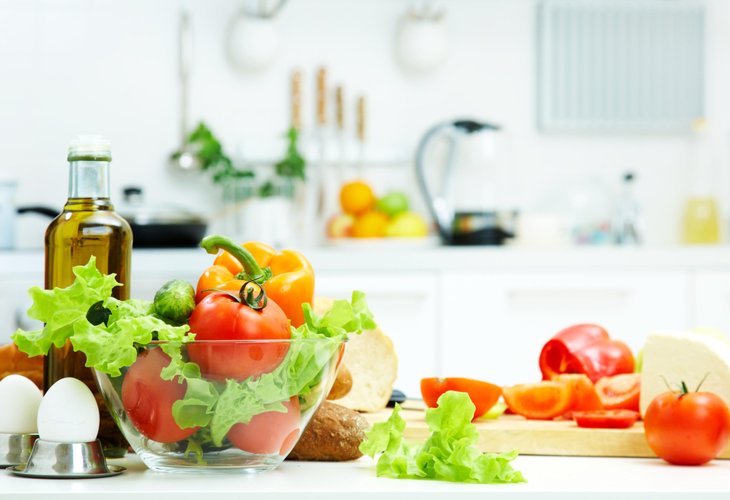 (Photo: Shutterstock)
Preparing for pregnancy is just as important as preparing for birth, as it sets the foundation for the health of both mother and baby.
This article is for any woman thinking about pregnancy and wanting to prepare in the best way possible. Whether you are a newlywed considering your first child, a mother planning for another baby, or even single and looking to prepare your body for the future, this article offers practical tips you can apply every day to support your body, boost fertility, and give your future child the healthiest start.
The World Health Organization (WHO) emphasizes the critical importance of the first 1000 days of a child’s life, which include the nine months of pregnancy and the first two years after birth. This period lays the foundation, the “roots,” from which a person will grow. During pregnancy, the fetus develops its organs, muscles, tissues, and skeletal system, which form the structural base of the body.
Research has shown that the mother’s nutrition and the supplements she takes before and during pregnancy have a profound impact on the baby’s cognitive, motor, and sensory development. Additionally, proper nutrition during the baby’s first two years continues to play a key role in these areas of growth. For this reason, it is essential for mothers to be mindful of their diet and make informed nutritional choices.
Today, women who want to prepare for pregnancy should focus on maintaining a healthy diet at least three months before the desired conception date, and ideally much earlier. This is especially important because the typical Western diet often includes:
Processed foods that lack essential vitamins and minerals needed for the proper functioning of all body systems.
High-glycemic foods that cause rapid spikes in blood sugar, increasing the risk of conditions such as diabetes or gestational diabetes.
Empty carbohydrates, like white flour and other refined grains, which are stripped of vitamins and nutrients found in whole grains that are vital for overall health.
Unhealthy snacks and treats, including pastries, chocolate, and carbonated drinks, which are often high in sugar. Excess sugar can raise blood sugar levels and contribute to lifestyle-related diseases such as high cholesterol and high blood pressure. These foods can also be difficult for the body to digest fully, leading to waste accumulation in the intestines.
Preservatives and artificial food dyes, which do not provide nutritional benefits and, in large amounts, may negatively affect the body.
The Mediterranean diet is widely recognized as one of the healthiest eating patterns, especially for women of childbearing age who want to conceive. The term “Mediterranean diet” was coined by American researcher Ancel Keys and his international team during the landmark "Seven Countries Study." This was the first comprehensive scientific study to establish the link between diet and chronic diseases such as heart disease, vascular conditions, and even Alzheimer’s and dementia. The study showed that a healthy diet, combined with an active lifestyle and avoidance of smoking and excessive alcohol, can prevent disease, support recovery, improve the body’s natural healing ability, and promote longevity.
To eat healthily, boost fertility, and provide optimal conditions for fetal and infant development, the following principles of the Mediterranean diet can be applied:
- Eat a variety of fresh fruits and vegetables in different colors – The pigments that give fruits and vegetables their colors also act as antioxidants, which help neutralize free radicals that can damage cells and contribute to diseases like cancer. For example, lycopene, a bright red carotenoid found in tomatoes, watermelon, red grapefruit, and red bell pepper, supports bone health, brain function, and has powerful antioxidant properties. A colorful mix of fruits and vegetables strengthens multiple body systems.
- Aim for around eight servings of fruits and vegetables a day – Spread throughout the day, this is manageable. For example, start the morning with whole wheat bread topped with two vegetables, or have a banana and an orange for breakfast. Include a salad of two vegetables at lunch and dinner. Snacks can include an apple or pear along with a handful of unsalted, unroasted nuts. This approach provides steady energy, essential nutrients, and supports overall health and fertility.
These dietary recommendations are designed for healthy women who are planning a pregnancy and want to prepare their bodies in the best possible way. Women with medical conditions, such as diabetes, should consult their doctor before following these guidelines.
Wishing you the very best on your journey!

