
Pregnancy and Birth
Preparing Your Body for Pregnancy: Essential Nutrition Tips
Discover what to eat while preparing for pregnancy, and what to avoid. All the essential guidelines to support your body during this important time.
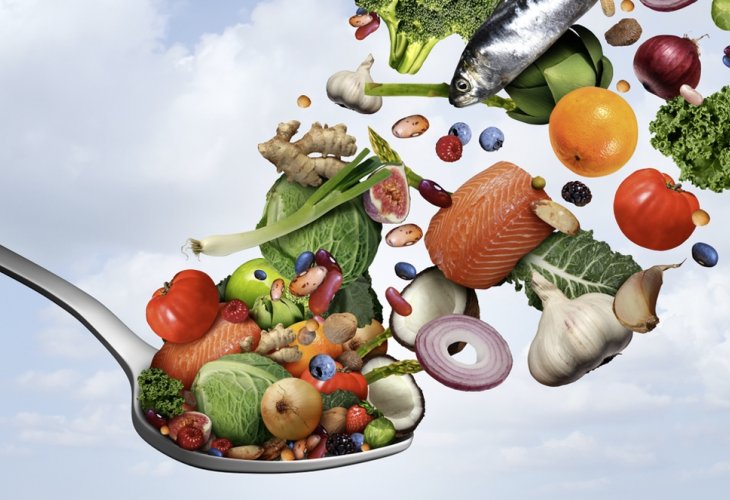 (Photo: shutterstock)
The first 1,000 days of a baby’s life form the foundation for their growth and development. That’s why both the baby’s nutrition and your own are so important. Equally crucial is preparing your body before conception, ideally starting at least three months before pregnancy.
If you want to enhance your overall health, improve fertility, and give your future baby the best possible start, consider adopting the following daily nutrition recommendations:
Choose whole grains: Opt for grains rich in dietary fiber, essential vitamins and minerals, antioxidants, and plant based protein rather than refined white grains. Whole wheat, rye, oats, and spelt are excellent choices. Brown rice is preferable to white rice, and you can also include varieties like red or wild rice, which are high in lysine, B vitamins, and potassium.
Include a variety of legumes: Lentils (red, green, black), beans such as adzuki, and chickpeas are all excellent sources of plant based protein. For chickpeas, soaking dry ones overnight is better than using canned or frozen options.
Incorporate tahini: Raw tahini made from whole sesame seeds is a great source of plant based calcium, essential for bone and joint health, especially important as the body prepares for pregnancy. Strengthening your musculoskeletal system beforehand helps manage the added weight and physical demands of pregnancy.
Follow a mostly plant based diet: Aim for roughly 80 percent plant based foods and 20 percent animal based foods. Research from studies like the Seven Countries Study and the China Study shows that a diet rich in vegetables, fruits, legumes, and whole grains helps prevent diseases and strengthens overall body systems, vital when preparing for pregnancy.
Guidelines for animal based foods:
Eggs: 3 to 5 times a week, preferably organic to reduce exposure to hormones, pesticides, and antibiotics.
Fish: 2 to 3 servings per week.
Dairy: Ideally, avoid cow’s milk products. If consumed, choose products made from sheep’s or goat’s milk, which are healthier and contain fewer additives.
Meat: Lean chicken is preferable to fattier or red meats.
Focus on wholesome, home cooked meals: Prioritize nutritious, minimally processed foods over industrially processed options.
Use healthy oils: Choose cold pressed olive oil or sesame oil rather than industrial oils such as canola or soybean oil.
Select unroasted, unsalted nuts and seeds: Nuts, almonds, and seeds are healthiest when raw and unprocessed. Roasting can oxidize fatty acids, reducing their nutritional benefits and potentially creating free radicals, which may contribute to disease.
Many delicious and healthy recipes are available both online and offline. They will delight you with their flavors, aromas, and vibrant colors. Be creative, try new ingredients, experiment with different dishes, and add variety to your meals.
These nutrition recommendations not only support overall health but also help maintain a healthy body weight. Research shows that women who are overweight or underweight may face greater challenges when trying to conceive. Since pregnancy naturally involves weight gain, it is preferable to plan for conception when your body weight is within a healthy range. Online calculators can help you determine your BMI (Body Mass Index), which indicates whether you are underweight, overweight, or within a healthy range, allowing you to plan your meals accordingly.
It’s important to note that this is not the time to count calories or follow crash diets. Such approaches can foster negative thoughts about food, weight, and self-confidence. To prepare for pregnancy, focus on eating a balanced, nourishing diet and set aside calorie counting. Crash diets often lack essential nutrients and can lead to weight fluctuations, stress, and frustration. By choosing a healthy, balanced approach, you can enter pregnancy feeling stronger, calmer, and more confident.
These dietary guidelines are intended for healthy women preparing for pregnancy. Women with medical conditions, such as diabetes, should consult their doctor before following these recommendations.
For women who are already pregnant, similar nutrition principles apply. However, adjustments may be necessary depending on the stage of pregnancy and any health conditions that could affect maternal or fetal well-being.
Wishing you a healthy and successful journey toward pregnancy!

