
Health and Nutrition
Healthy Fats for Chanukah: How to Enjoy the Holiday Without the Guilt
The best and worst oils, smart swaps for frying, and practical tips to stay healthy while still enjoying Chanukah treats
 (Photo: shutterstock)
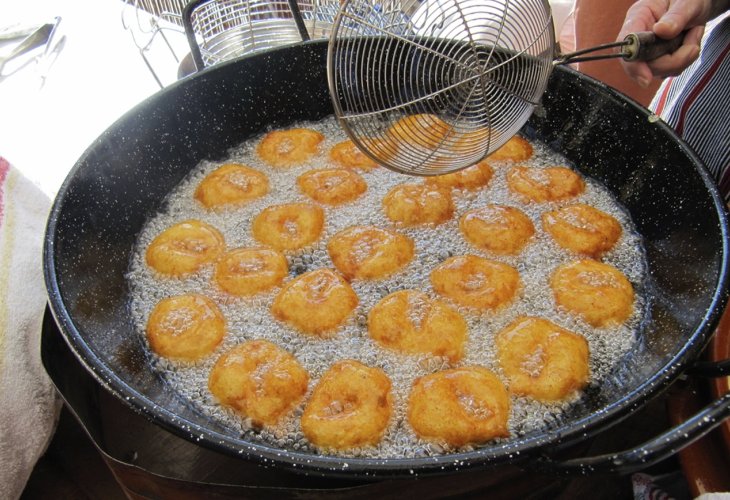
Chanukah is here, and along with it come the oily holiday foods — especially sufganiyot (donuts) and latkes. In honor of the holiday, we will explore the topic of oils and fats commonly used in these festive foods.
Are Fats Bad?
Not all fats are harmful. Despite the negative association many people have with the word “fat,” some fats are actually healthy and beneficial. The fats we consume affect our bodies in different ways — and some have positive effects.
For example, eating healthy fats in place of other foods can even support weight loss. The key to healthy eating is not reducing fat intake overall, as once believed, but choosing the right types of fat.
Healthy fats help protect the heart, support overall well-being, and are truly essential for physical health.
Of course, we cannot ignore the “bad fats,” which — as we all know, are linked to heart disease and clogged arteries. They raise LDL cholesterol levels and undergo oxidation, a process involved in the development of atherosclerosis. In short, these are the fats we should avoid overusing.
How To Choose the Right Fats?
Don’t be tempted by low-fat foods such as baked sufganiyot, baked fries, low-fat ice cream, and similar products. They may seem harmless, but eating them in large quantities won’t help you lose weight or eat more healthfully.
It’s best to prioritize healthy fats, especially monounsaturated fats and omega-3 fatty acids. These fats can help stabilize mood, support mental function, reduce fatigue, and help maintain a healthy body weight and balanced blood sugar levels.
 (Photo: shutterstock)
How to Replace Bad Fats With Good Fats
Healthy Fats:
Olives:
Rich in monounsaturated fats. They are beneficial in moderation. You can prepare an olive tapenade, but keep in mind that pickled or canned olives are high in sodium, so eat them in reasonable amounts.
Avocado:
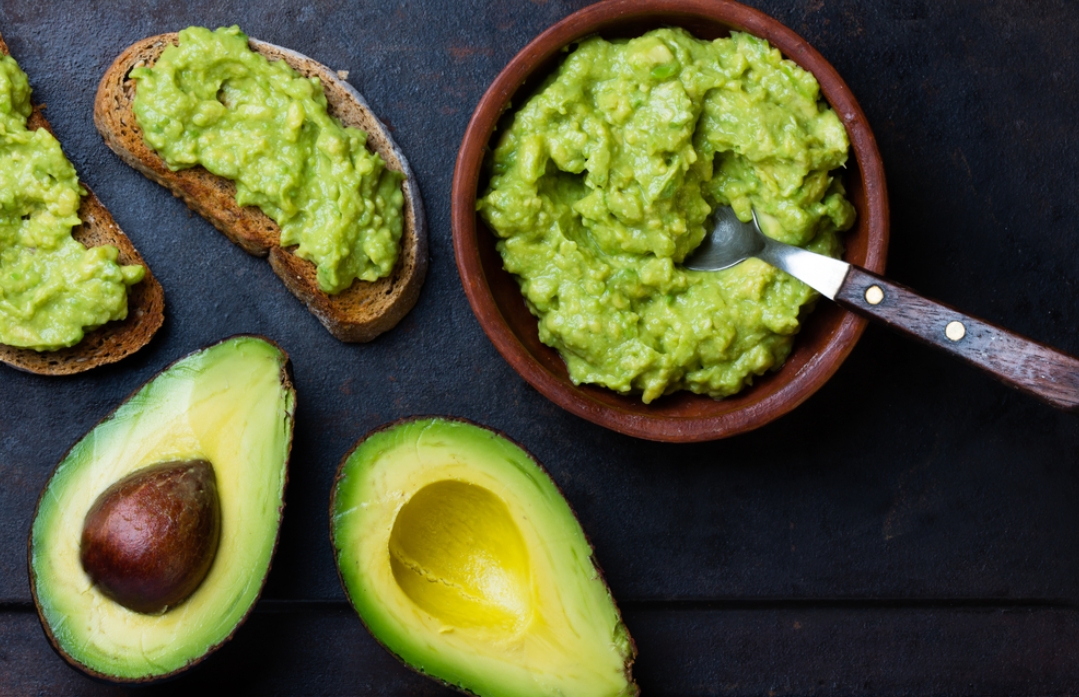
Use avocado as a spread on sandwiches instead of butter or margarine. Besides supporting heart and brain health, avocado increases satiety.
Extra-virgin olive oil:
Use regularly. It’s the only oil that hasn’t undergone chemical refining. Olive oil helps lower bad cholesterol and has been shown in research to support various aspects of health. Due to its chemical structure, it doesn’t oxidize easily. Use it for salad dressings, roasting, and cooking.
Omega-3:
Good sources include salmon, sole, mackerel, sea bass, mullet, and cod; walnuts; ground flaxseed; flaxseed oil; chia seeds; and canola oil.
Nuts and seeds:
Add walnuts, pumpkin seeds, or sunflower seeds to salads, or use ground nuts as a coating for chicken or fish instead of breadcrumbs.
Tahini:
Choose whole-seed raw tahini and prepare it at home. Whole tahini is rich in minerals like iron and calcium and contains heart-healthy unsaturated fats.
“Bad Fats” to Reduce or Avoid
Commercial baked goods:
Cookies, cakes, pies, pizza, candy, chips, and even some breads — like hamburger buns, may contain trans fats or butter (high in saturated fat).
Saturated and processed fats:
Reduce your intake of fatty red meat and processed meats such as hot dogs, kebabs, and hamburgers. Also limit full-fat dairy like butter and rich cheeses.
Certain vegetable oils:
Corn and soybean oils oxidize easily, making them less healthy.
Trans fats:
Trans fat is essentially margarine. Check food labels for “trans fat,” “hydrogenated vegetable fat,” or “partially hydrogenated fat.” These all indicate trans fats. Foods containing less than 0.5g of trans fat per serving are considered acceptable.
Palm oil:
Heavily used in store-bought baked goods. It contains roughly 50% saturated fat — similar to animal fat. If a product lists “vegetable oil” but doesn’t specify which type, check the nutrition label: if about half the fat is saturated, it may contain palm oil.
Frying:
Prefer cooking, baking, or grilling. Avoid deep-fried foods like sufganiyot, french fries, fried chicken, chicken nuggets, and dough-based fried foods high in trans fats. Surprisingly, deep frying absorbs less oil than shallow frying — so if you must fry, deep frying is better.
What Can You Do on Chanukah?
There are many ways to avoid fried foods during the holiday:
Make vegetable-based latkes and bake them in the oven.
Bake sufganiyot and improve the recipe nutritionally.
If you want to enjoy a real, traditional, deep-fried donut — decide in advance to eat only one during the entire holiday.
Enjoy the holiday taste while keeping your eating balanced and healthy.

