
Jewish Law
Kosher Strawberries: How to Clean Them Properly and Avoid Insects According to Jewish Law
Step-by-step cleaning guides, expert tips, and the spiritual importance of eating only kosher, pure foods
- Naama Green
- |Updated
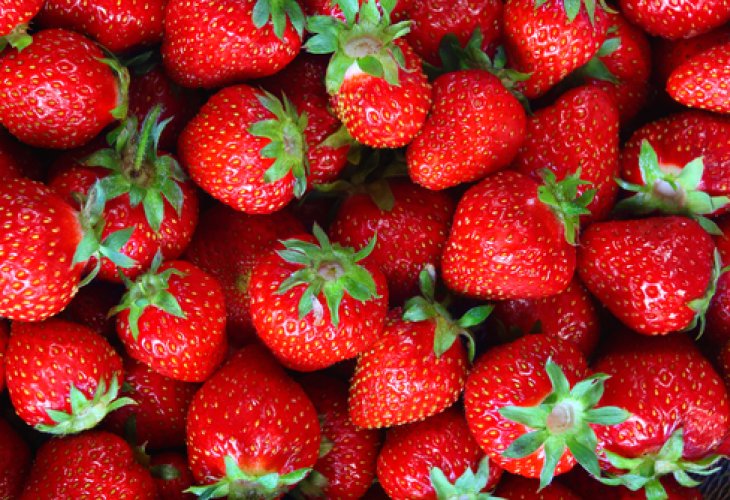
Strawberries are frequently infested with tiny insects called thrips, which hide in the small crevices and seed pockets on the surface of the fruit. These insects cannot be removed by ordinary washing.
Rabbi Moshe Vaya, author of “Bedikat HaMazon Kehilchata” (The Laws of Food Inspection), advises: “When buying strawberries, choose fruit that is straight, smooth, and firm — not squashed, folded, or twin-shaped, and without deep cracks or grooves.”
How to Prepare Strawberries
Remove the green leafy cap along with a thin slice (about 1 mm) of the fruit beneath it.
Cut away any folded, cracked, or creased areas.
Soak the strawberries in soapy water for 3 minutes.
Rinse thoroughly — washing a few strawberries at a time, under a strong stream of running water, ensuring the water reaches every part of the fruit.
If the fruit has deep cracks that reach the inner cavity, cut it in half.
Repeat the entire process three times, and then either blend or cook the fruit before eating.
It is recommended to cut open a few strawberries afterward for spot-check inspection to ensure they are clean.
Option 2:
Alternatively, peel off a thin outer layer from all sides of the strawberry, including deep grooves and the stem area, then rinse thoroughly after peeling.
Option 3:
Remove the green tops with a bit of fruit attached.
Soak the strawberries in slightly soapy water for 3 minutes.
Remove them and scrub each strawberry individually with a soft toothbrush under running water.
Repeat the soaking, rinsing, and scrubbing process a second time, using fresh soapy water for the second soak.
The “Noam Elimelech” (end of Parashat Vayigash) writes: “Even in bitter exile, if one remains steadfast in serving God and repents sincerely — refining his body through kosher food and avoiding forbidden foods, he sanctifies his limbs and organs, and even now, in exile, may merit to receive Ruach HaKodesh (Divine inspiration).”
The Midrash Rabbah (Vayikra) teaches: “In the future, the Holy One, blessed be He, will prepare a great banquet for His righteous servants — and whoever refrained from eating forbidden foods in this world will merit to behold Him in the World to Come.”
The holy Arizal taught: “One who guards himself from forbidden foods is guarded by Heaven in return. God ensures that no forbidden food comes his way. Still, one should continually pray for divine help to be spared from eating anything prohibited — and it is proper to include this request in every prayer during Shema Koleinu.”

