
Israel News
Ashkelon’s Lifeline: The Chabad Center That Stays Open When the City Empties Out
How a Chabad emissary stays in a nearly deserted, rocket-stricken city to support the elderly, families, and soldiers during the Gaza war
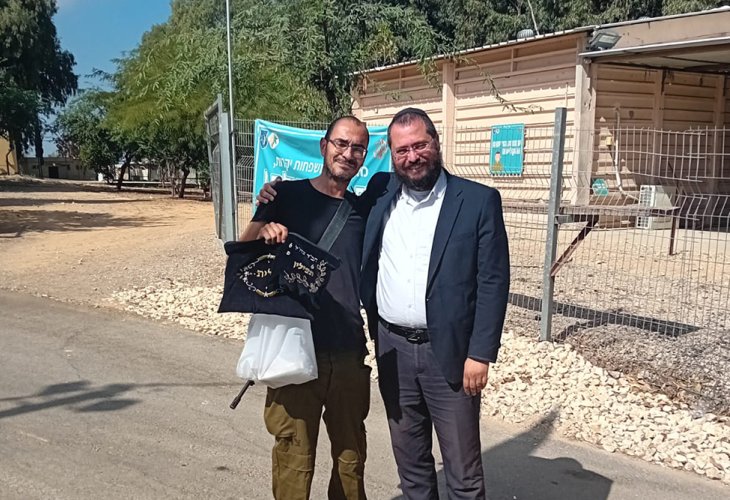 Activities across Ashkelon
“Yes, I’m here in Ashkelon. I’m still active. I didn’t leave, and I’m not planning to leave.” Rabbi Uri Cohen, Chabad emissary in Ashkelon, repeats this sentence again and again these days. Sometimes he says it to someone who wants to join prayers, sometimes to elderly residents calling for help, and sometimes to his own family members — who have left the city, when they urge him to come with them. But he makes his intention clear: he is staying in the bombarded city. As he emphasizes repeatedly — “I didn’t leave, and as of now, I’m not leaving.”
During the height of the war, the government announced that Ashkelon residents were eligible for the evacuation grant, just like other communities in the south. And yet, some people — like him, chose to stay.
Why Stay in a City That’s Nearly Empty?
“First of all, our city isn’t empty,” Rabbi Cohen clarifies. “Most residents evacuated, that’s true — and that’s also Home Front Command’s recommendation. But there are elderly people who simply can’t leave. Some live in homes without a safe room, so during sirens they have to run to public shelters. Who will bring them medicine and nourishing food? If everyone leaves — who will look after them?
“So yes, I’m staying here, together with other good people. We’re mobile, so we can buy food and medications for them. That’s not something to take for granted in Ashkelon these days — small grocery stores are closed, only supermarkets are open. Pharmacies are open on a limited basis.”
“We Care for the Soldiers — and Their Tefillin”
“There are also families with small children who stayed because they have nowhere else to go. Their kids are often scared and going through difficult days. There’s no school or educational framework running here at all. So we try to pamper them — we bring gifts, toys, and treats.
“The very fact that people hear the Chabad House is open — and that they can come anytime, gives them a lot of strength. Many people come to us whose children are serving as soldiers near the border, or women whose husbands were called up for reserve duty. They ask for blessings, or a charity box, or to check their mezuzot. Just before this past Shabbat, a woman called begging us to bring her Shabbat candles. She had never lit candles before — but suddenly she felt a deep inner need to do it.”
Rabbi Cohen stresses: “We’re working hard to strengthen those in the home front — to help practically, and to give the people of Ashkelon the feeling that we are here, stronger than ever. Even if there are rocket strikes or frightening events, we’re not running away.”
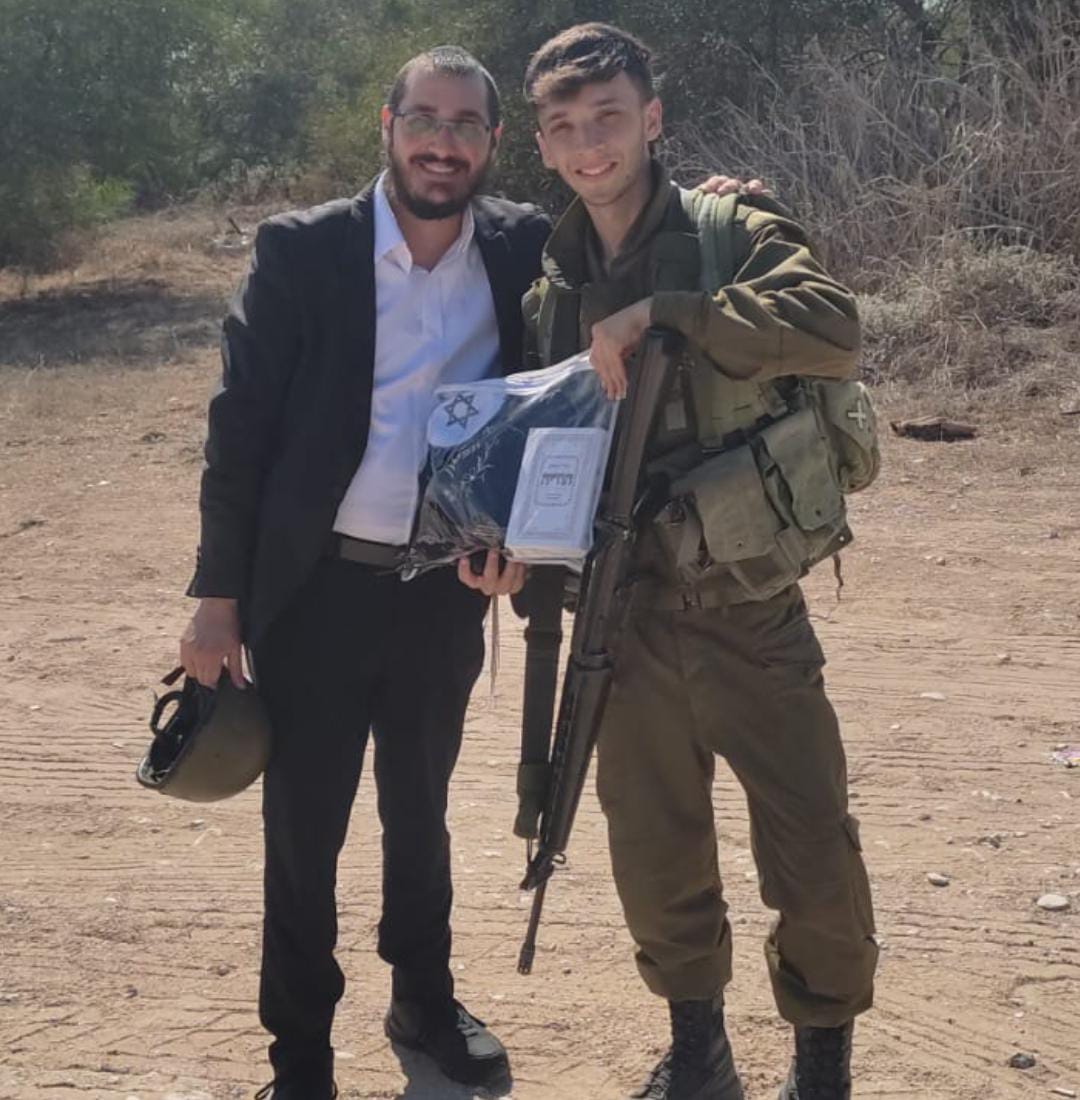 Caring for soldiers with tefillin
“What do you tell people who ask you whether they should leave the city or stay?”
“I think each person must do what feels right for them. If someone feels overwhelmed with fear, not even able to shower because they’re constantly afraid a siren will catch them, then they should leave. The same goes for families with children who need routine and activity. Staying here during this time could cause significant trauma for kids.
“But whoever is working here, or can’t leave for whatever reason, should know that the city is still functioning. We are here. There is activity around us, including prayers three times a day.”
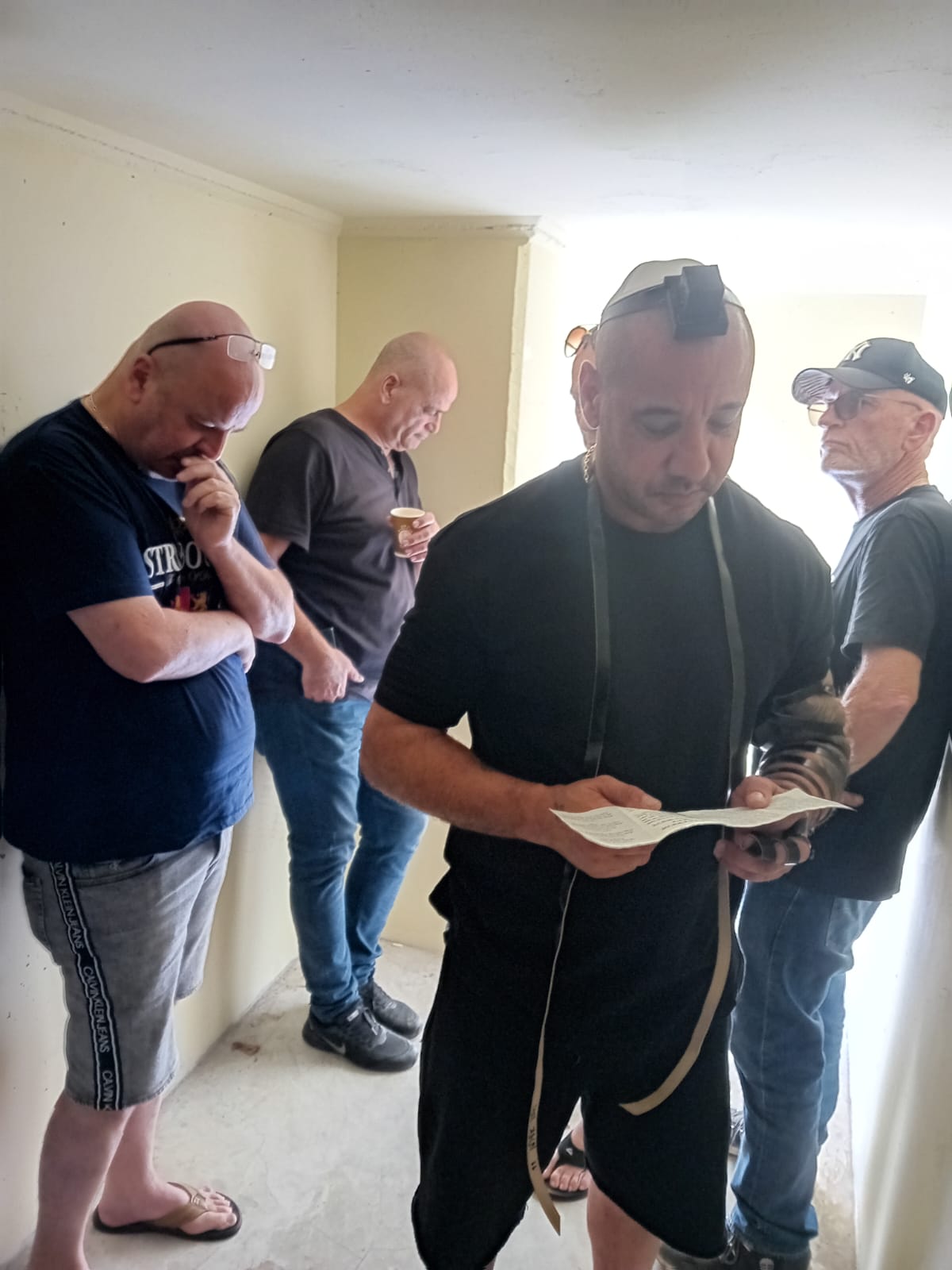 Alarm during laying tefillin
Do you have enough people for a minyan?
“We do, but barely. It’s amazing to see people taking responsibility and coming to pray every single day — Shacharit, Mincha, and Ma’ariv. They understand that if they don’t come, we won’t have a minyan, and they refuse to let that happen.
“Last week one of the men arrived late, and after the prayer he explained that a rocket had landed on his car and blown it up. That’s why he had to come on foot. “Our lives here are far from normal. A rocket recently hit about 100 meters from my home — the whole house shook as if it were a direct hit.
“We’re not staying here out of complacency, God forbid, but out of faith and inner strength. We pray for ourselves and for all of Israel — that this war will end in the best possible way, and that there will be no more casualties or injuries. We’ve suffered enough. Now we pray to see great miracles.”

