
For the Woman
Rebbetzin Leah Abelsky: From Holocaust Orphan to the Oldest Chabad Emissary in the World
Her extraordinary journey from a war-torn childhood to rebuilding Jewish life in Moldova across generations
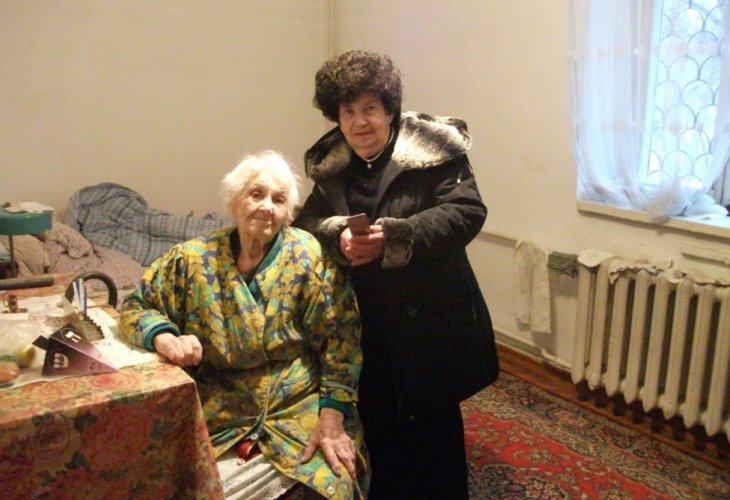 (Photo: Jewish Community in Moldova)
Rebbetzin Leah Abelsky was a young girl living in the city of Chernivtsi in Ukraine (then Bukovina) when World War II broke out. Her parents were taken to extermination camps, while she was sent to a Russian orphanage. During those years, growing up alone with no parents, she dreamed of one thing: one day building a home in the Land of Israel, believing deeply that this was the destiny of the Jewish people. Nothing could have prepared her for the fact that years later she would return to Ukraine — not as a refugee, but to establish a Chabad House. No one whispered in the ear of that young girl fighting for her life that she would one day live to a long age and become the oldest Chabad emissary in the world.
Orphaned in the War: A Childhood Without Parents
Rebbetzin Abelsky recalls the difficult war years she endured as a teenager.
“When I was in the orphanage, I understood very clearly what religious observance meant,” she says. “I remember that on Passover, I refused to eat because it was obvious to me that the food contained chametz. The English teacher noticed that I wasn’t eating. She quietly approached me and handed me a piece of matzah she had hidden in her coat. ‘I am also Jewish,’ she whispered, and then disappeared.”
Later, she explains, that same teacher sent a message to the Skulener Rebbe — Rabbi Eliezer Zusia Portugal, informing him that there was a Jewish girl in the orphanage who needed to be rescued. “The Rebbe made sure to take me out of there, just as he rescued many others, and I became like a daughter in his home until my marriage.”
Even after the war ended and she became a bride, danger was still very real. “Almost every day, police officers would go from house to house searching for people without residency permits,” she recalls. “Every time someone knocked on the door, my heart would drop. I would run to hide under the bed until the danger passed.”
Decades later, when she returned to the region as a Chabad emissary, she was shocked to see police officers still wearing the exact same uniforms as those who had hunted Jews after the war. “Every time I saw them on the street, my body froze and I crossed the road quickly.”
Today, she says, she feels blessed to have lived long enough to see her personal victory over the Nazis: “Thanks to the large family my husband and I built, our many descendants never had to face what we endured.”
A Mission Shared with Children, Grandchildren, and Great-Grandchildren
Rebbetzin Abelsky and her husband arrived in Moldova right after the fall of Communism. “In fact, we were the very first emissaries sent by the Lubavitcher Rebbe to the former Soviet Union,” she explains.
Accepting the mission was not simple. “These were the earliest days after Communism collapsed, and everyone was filled with fear. The risks were enormous,” she says.
At that time, the “Ezrat Achim” organization oversaw Jewish activities in the region and conducted extensive evaluations to find the right family for a pilot mission. When they approached the Abelskys and explained that they believed they were the perfect candidates, the couple still hesitated — until the Rebbe’s response arrived quickly: “Agreed. I will mention it at the Ohel.” That answered everything. The rest, she says, is history.
Building Jewish Life from Scratch
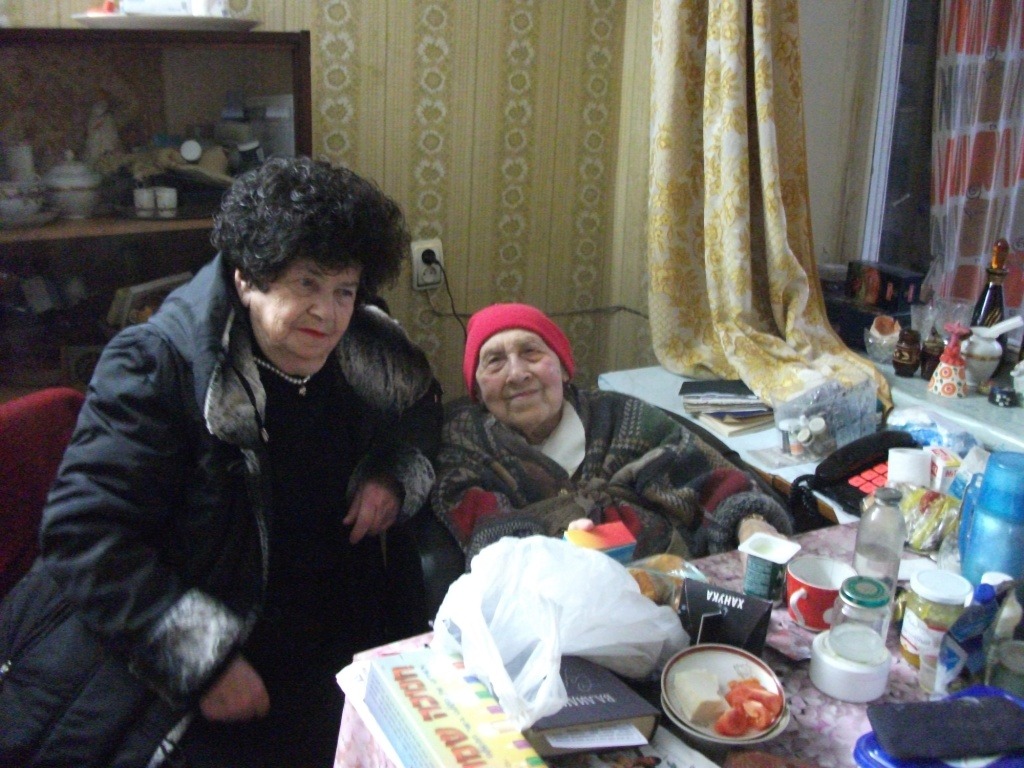
From the moment they arrived in Moldova, the couple had to work nonstop. “We needed to invent the wheel in every sense,” she says. “We were new to the locals, and Moldova was completely new to us.”
Even preparing kosher food was a major challenge — especially Shabbat meals for dozens of people. During their first year, they had to move more than ten times because landlords were uncomfortable with the number of guests flooding into their home every Shabbat.
“The work was exhausting and never-ending. But what gave us strength was the reaction from the community. They were overjoyed that we came. You could see how much they wanted to learn about Judaism and reconnect with the Jewish people. Hundreds passed through the synagogue daily, each with their own needs. Their closeness to Judaism is what kept us going.”
“When we arrived, Moldova had a Jewish community of about 100,000 people with almost no signs of Jewish life. My husband became the Chief Rabbi of Moldova and served in that role until his passing. Together, we revived the community — schools, kosher food, Jewish infrastructure, everything.”
Today, Chabad of Moldova includes four emissary families — all descendants of the Rebbetzin: children, grandchildren, and great-grandchildren. Her son, Rabbi Zushe, serves as the head of the community.
“It moves me beyond words to see the empire we built,” she says. “As a Holocaust survivor who fought for her life, to have a home filled with hundreds of grandchildren and great-grandchildren — this is endless joy.”
A Wide Range of Community Programs
Today, Chabad of Moldova runs an extensive network of programs:
A kosher kitchen providing food for people in need
A kindergarten
A Sunday school
A youth club
Programs for women and students
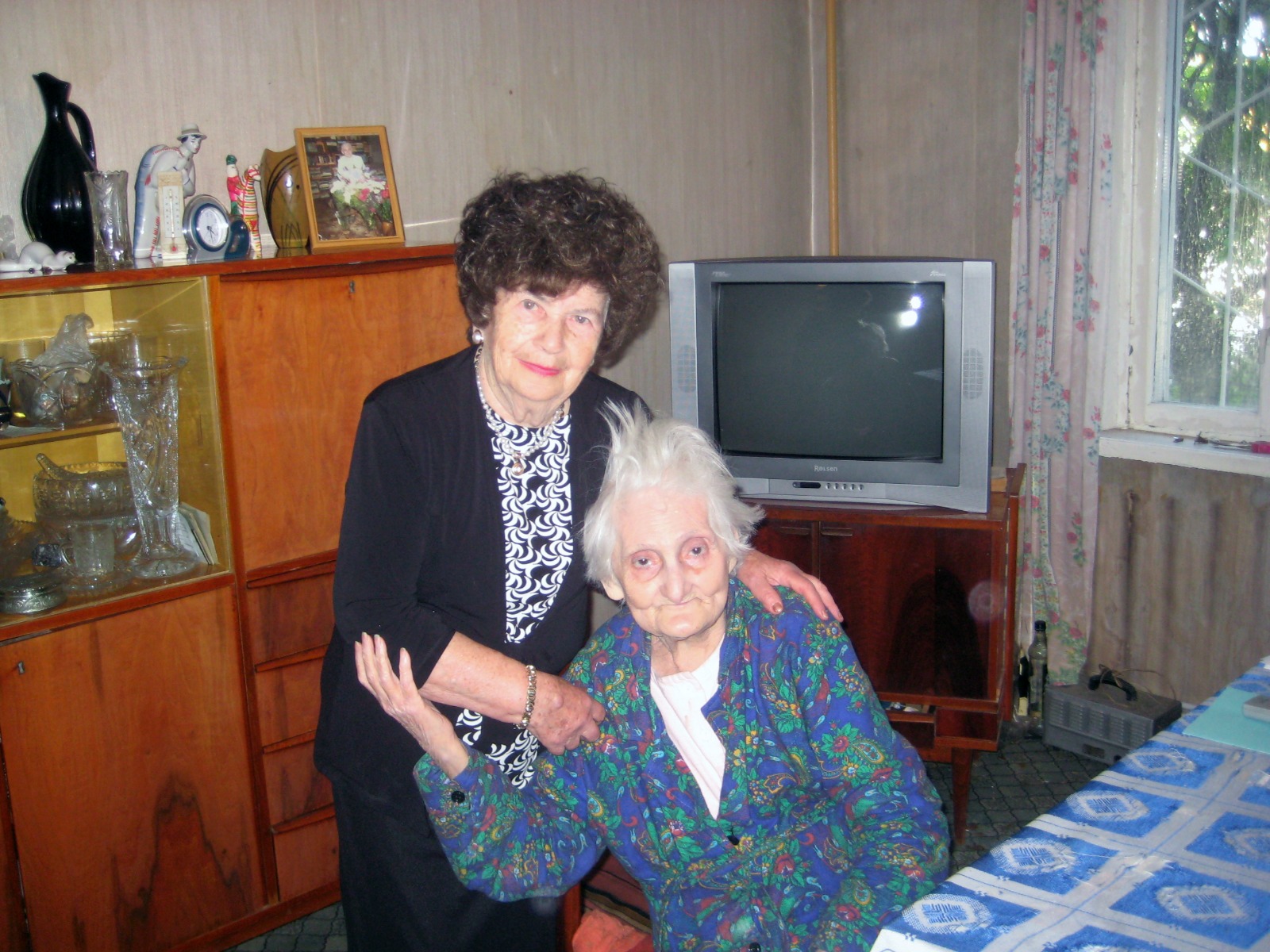
Home visits to elderly residents, delivering hot meals and essential assistance
A beautifully restored synagogue offering three daily prayer services
Chabad also operates beyond Moldova’s borders — in the city of Balti and in the breakaway region of Transnistria, where they maintain an active synagogue. Recently, together with the European Rabbinical Center, they opened a Chesed Center in both Kishinev and Transnistria, offering medical equipment loans.
During the war in Ukraine, they even opened a Chabad station at the airport to assist refugees and travelers. “We provided so much help there that we decided to continue the project even after the war ends — until the coming of Mashiach,” she says.
How the War With Russia Changed Everything
“Since the war began, more than 20,000 refugees and travelers passed through our synagogue on their way to and from Ukraine. We were literally saving lives — finding places for people to sleep, providing food, medical care, and emotional support.”
Together with ZAKA, they built a mini medical clinic for those needing rest, treatment, and nourishment before continuing their journey.
“Now that most have reached their destinations and settled, we receive thank-you letters and emails daily. Hundreds of refugees chose to stay in Moldova, and we provide all services for them free of charge.”
A Full Circle Moment
Before ending our conversation, the Rebbetzin shares a particularly emotional memory:
“A few years ago, the Skulener Rebbe, Rabbi Yisrael Portugal — the son of the Rebbe who rescued me, came to Moldova to visit his ancestors’ graves. Of course he knew me and my husband personally, and he was so happy to see us.”
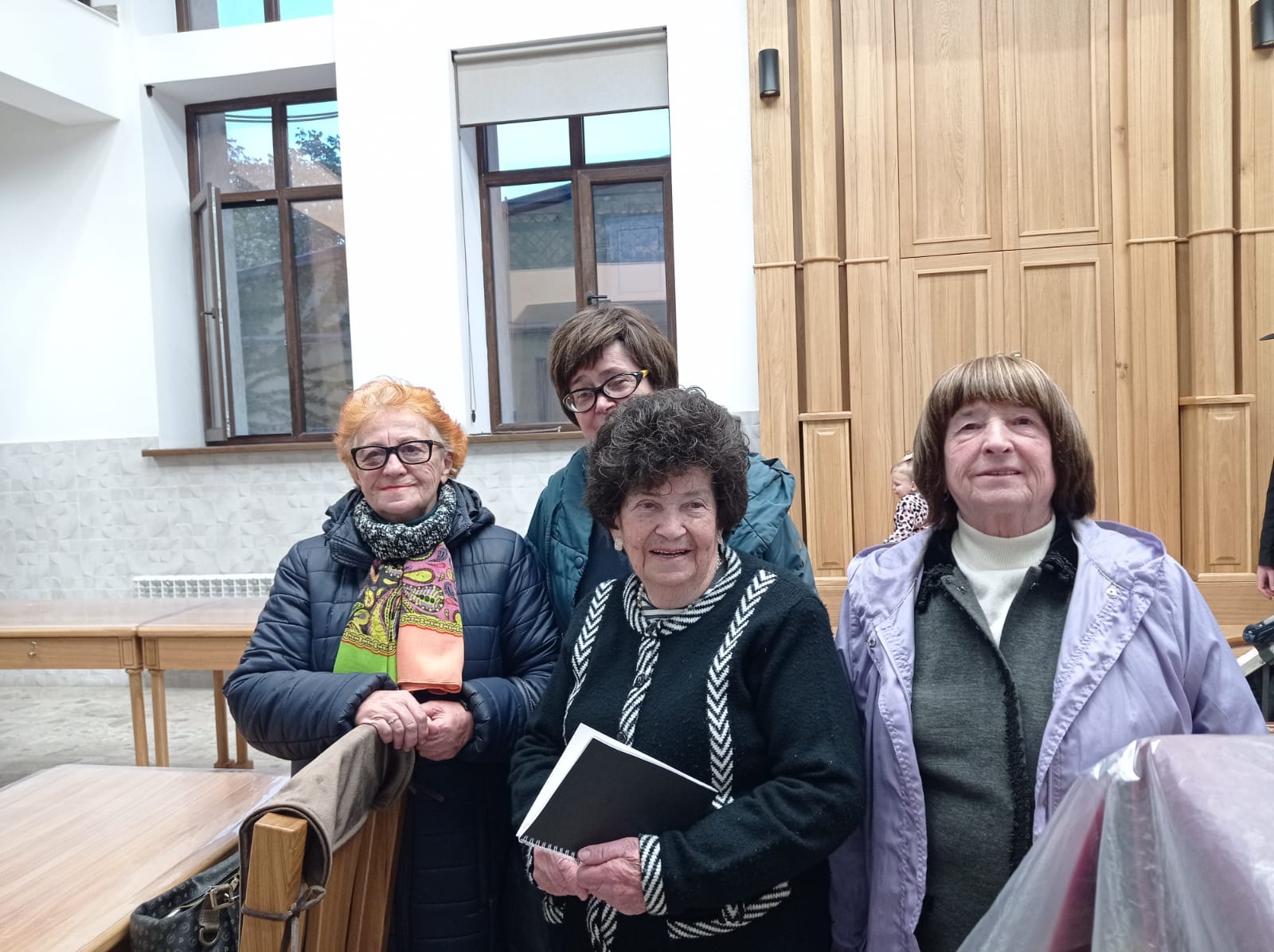
They held a gathering together for the community, and during his speech he said he felt this moment was a profound closing of a circle: The girl his father had saved during the war was now the one preserving Jewish life in that very region.
“He expressed his desire to partner in our work. I, too, felt an incredible sense of completion — a great victory over those who, in every generation, seek to destroy us.”

