
Jewish Law
Should You Recite Shehecheyanu on New Tefillin? A Complete Halachic Guide
The halacha behind new tefillin, new tallitot, and when the Shehecheyanu blessing truly applies
- |Updated
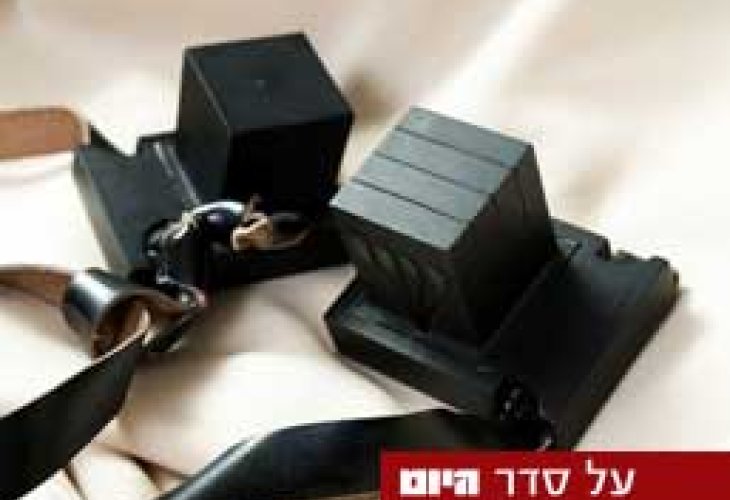
Recently, thank G-d, I have merited to grow spiritually, and I purchased new tefillin. I am very happy about this. Should I recite the blessing of Shehecheyanu, and if so — when?
* * *
The Rambam writes (Hilchot Berachot, chapter 11) that one should recite Shehecheyanu on a new tallit or new tefillin. However, the Tur (Orach Chaim, siman 22) quotes a ruling from the Tosefta (Berachot chapter 6) regarding a new tallit — that one should recite Shehecheyanu — but he omits any mention of this regarding new tefillin.
Maran the Beit Yosef explains, quoting Rabbeinu Yitzchak Abuhav, that Shehecheyanu is recited only on a mitzvah that comes from time to time, and not on a continuous mitzvah. Therefore, the Tur did not write in the laws of tefillin that one recites Shehecheyanu on new tefillin. He wrote it only regarding a new tallit — not because of the mitzvah, but rather because a tallit is a garment from which one derives physical benefit, similar to a person who buys new clothing and recites Shehecheyanu. The Baal Ha’itur also writes this.
Maran rules in the Shulchan Aruch (Orach Chaim 22): “On a new tallit one recites Shehecheyanu, because it is no different from one who purchases new garments.” This makes it clear that he does not follow the Rambam’s opinion that one recites Shehecheyanu on the mitzvah of new tefillin.
The Taz, however, writes that one should recite Shehecheyanu even on new tefillin. But the Chida, in Machzik Beracha (ibid. 2), writes that the accepted custom follows Maran: one does not recite Shehecheyanu when putting on new tefillin. The Maamar Mordechai also brings the rulings of the later authorities supporting this. Rav Ovadia Yosef likewise rules this way in Yechaveh Da’at (vol. 2, siman 31).
In Lehorot Natan (vol. 2), Rav Natan Gestetner questions Maran's ruling: Why not recite Shehecheyanu on new tefillin? If a person buys a new utensil, he recites Shehecheyanu — so why shouldn't tefillin, which are also a new object, require the blessing?
He answers based on the Magen Avraham (siman 223), who writes that Shehecheyanu is recited only on items of personal use, but not on new holy books, because “mitzvot were not given for personal enjoyment.”
Thus:
A tallit, although a mitzvah object, is also a garment from which a person derives normal bodily benefit — so it is treated like new clothing, and one recites Shehecheyanu.
Tefillin, however, are exclusively for sacred use, with no secular or bodily benefit — similar to holy books, therefore one does not recite Shehecheyanu on them.
Even if you are very happy about purchasing your new tefillin, you should not recite Shehecheyanu on them. This is the ruling of Maran in Shulchan Aruch, and since there is also a disagreement among the authorities, we apply the principle of “safek berachot lehakel” (in cases of doubt regarding blessings, we rule leniently and do not recite the blessing).
(For comparison: the same applies to a bride, who does not recite Shehecheyanu the first time she lights Shabbat candles.)
However, a new tallit does require Shehecheyanu. May you continue to rise higher and higher in Torah and pure fear of Heaven.

