
Facts in Judaism
Why Are the Jews Called the Chosen People? The Hidden Meaning Behind Suffering and Divine Mission
Uncovering ancient wisdom, historical insight, and spiritual purpose from Mount Sinai to modern times
- Dudu Cohen
- |Updated
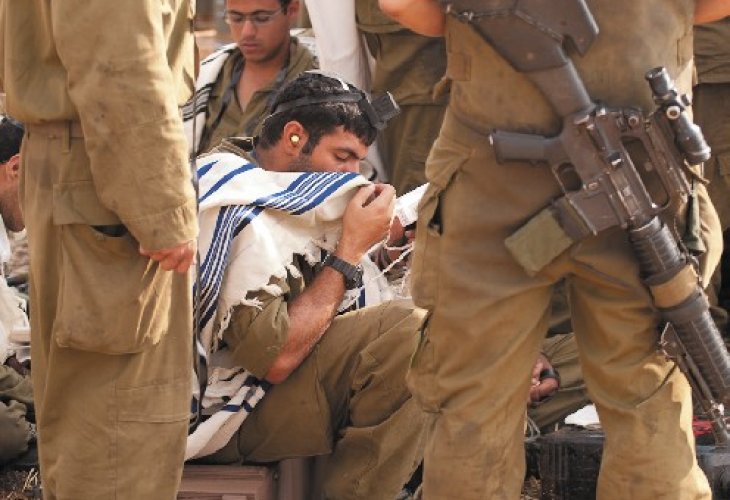
According to the words of God in the Torah, the Jewish people are the Chosen Nation — a “Segulah,” a people distinct and sanctified among all others. When we look at history however, we see a painful contradiction: no other nation has suffered more from persecution, exile, and hatred than the Jews.
If we are truly the chosen people, why have we endured more suffering than any other? If being chosen is a privilege, where are the benefits?
Chosen — and Accountable
“The answer is simple but profound,” explains Rabbi Eli Amar. “At Mount Sinai, the Jewish people were given a historic mission: ‘You shall be to Me a kingdom of priests and a holy nation.’
On one hand, this is a privilege and an honor, but on the other, it carries great responsibility. God says: ‘If you follow My statutes and observe My commandments… no sword shall pass through your land.’ But if you reject My laws — meaning, if the Jewish people forget their spiritual purpose, then God will send reminders, because we made a covenant with Him.
Whenever we stray from the Torah and its commandments, God sends us a wake-up call in the form of hardships, intended to push us back toward our mission.”
In this sense, the “chosen” status is not about favoritism or material advantage; it is about being held to a higher standard and serving as a moral example to the world.
A Social and Psychological Perspective
Rabbi Pinchas Badush offers a more human explanation. “By nature, siblings tend to resent the favored child,” he says. “People are jealous of those who receive special love or privileges.
This may explain why the Jewish people have suffered hatred from other nations throughout history, without any logical explanation. The animosity toward Jews began as early as the days of Avraham and intensified after the giving of the Torah.”
The Sages of the Talmud asked, Why was Mount Sinai called Sinai? Their answer: Because it was there that hatred (‘Sinah’) descended upon the Jewish people from the nations of the world.
Paradoxically, this very hatred has helped preserve Jewish identity. “That hatred has united us and prevented assimilation,” Rabbi Badush explains. “Without it, we might have disappeared long ago into the melting pot of other cultures.”
Can We Win the World’s Approval?
History, says Rabbi Badush, has already answered that question.
“Every time Jews tried to gain acceptance by imitating the nations, it backfired. And every time they remained true to their uniqueness, they were respected more.
In Europe, many Jews sought to assimilate, adopting local dress and customs — yet those were the very places where antisemitism grew strongest, especially before World War II.
By contrast, in Middle Eastern countries where Jews remained faithful to their traditions, they were treated with honor and lived in peace with their non-Jewish neighbors.”
The Kotzker Rebbe’s Sharp Wisdom
The Kotzker Rebbe once explained it beautifully: “If the Jew doesn’t sanctify himself — the Gentile will separate him. But if the Jew separates himself, the Gentile will sanctify him.”
When we take pride in our identity and live with spiritual integrity, the world respects us. But when we run from who we are, the world reminds us who we’re meant to be.
The Deeper Meaning of Being “Chosen”
To be “chosen” does not mean superior. It means to be entrusted with a moral and spiritual mission — to bring light, ethics, and faith into the world. That calling comes with both immense privilege and immense challenge.
Our history of suffering, then, is not proof of rejection, but of responsibility. Through our trials, the Jewish people have preserved their identity, faith, and purpose across thousands of years — a living testimony to the covenant made at Sinai.

