
History and Archaeology
The Warsaw Ghetto: How Isolation Became Extermination
From its creation under Nazi rule in 1940 to the Great Deportation, the story of the Warsaw Ghetto reveals both the cruelty of oppression and the courage of Jewish resilience
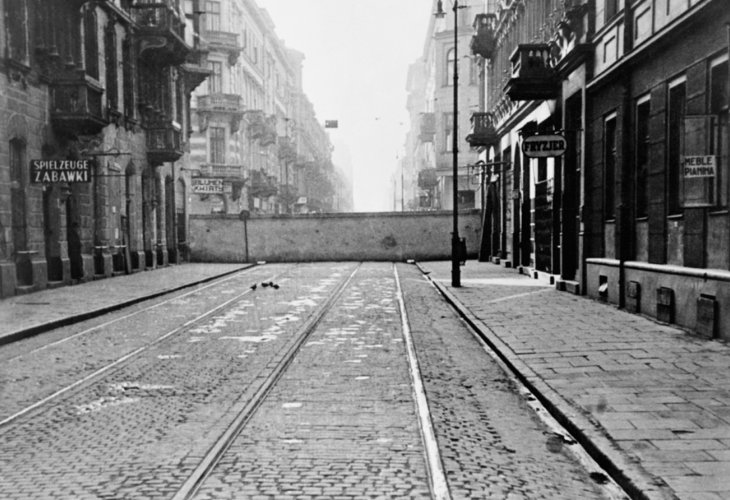 Warsaw Ghetto (Photo: shutterstock)
In the first year of World War II, the Germans gradually conquered Poland. When Warsaw fell, the Nazis established a Judenrat — a “Jewish Council”, whose official role was to implement German orders concerning the city’s Jewish population.
The Creation of the Ghetto
Toward the end of 1939, the Nazis began forming the Warsaw Ghetto. They claimed it was a public health measure — a supposed quarantine to prevent the spread of typhus, although in truth, it was part of the broader Nazi plan to segregate, isolate, and ultimately destroy the Jews.
Immediately after Yom Kippur of 1940, the ghetto was formally established. It covered only about 2% of the city’s total area, even though Jews made up nearly 38% of Warsaw’s population.
A high brick wall was built around the ghetto, and Jews were forced to live inside it exclusively.
From Limited Access to Complete Isolation
In the first few weeks, Jews were still allowed to enter and leave the ghetto relatively freely. The Gestapo even assured the Judenrat that Jews would not need to move their businesses inside the ghetto, since they were still permitted to work outside.
But this deception was short-lived. On November 14, 1940, the walls of the ghetto were sealed. From that day forward, except for a few individuals with special permits or those whose labor was essential to the Nazis, no Jew was allowed to leave or enter.
Life Inside the Ghetto
The closure of the walls led to unimaginable overcrowding, hunger, and disease. Nevertheless, the Jewish community demonstrated extraordinary resilience and self-organization.
Over the following months, they established internal institutions — schools, hospitals, charitable organizations, and even a clandestine medical school that continued to train doctors in secret.
Despite their efforts, conditions worsened daily. Starvation became widespread, and the death toll climbed relentlessly.
The Great Deportation
After about a year of total isolation came the mass deportation and murder of the Warsaw Ghetto’s residents. Thousands were killed on the spot, while hundreds of thousands were transported to extermination camps, primarily Treblinka, where they were murdered in gas chambers.

