
Naturopathy and Natural Medicine
Natural Medicine: Healing the Body Through Nature, Balance, and Faith
Principles of natural healing, its benefits for chronic illness, and its deep connection to Jewish thought
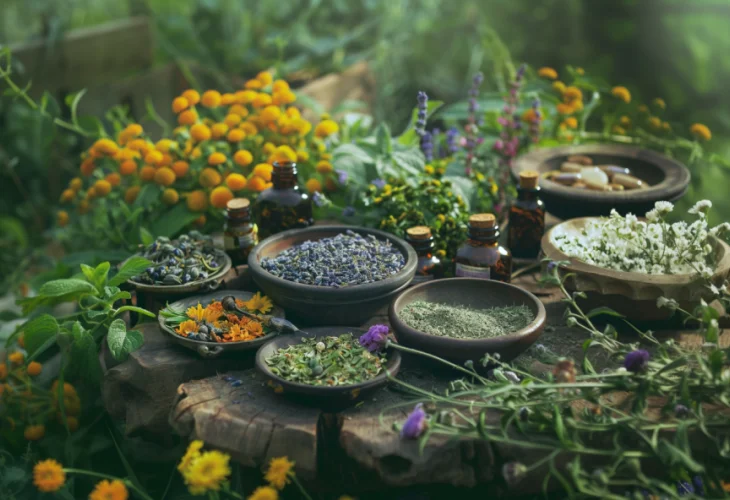
Many people today are returning to their roots and adopting natural medicine instead of conventional medicine or taking prescription drugs. Natural medicine is a holistic approach to health that focuses on using natural methods and preventing illness through a healthy lifestyle, proper nutrition, herbal remedies, and additional therapeutic practices. This approach is based on traditional and modern principles that help the body heal itself and reach a healthy balance. In the following article, you’ll become familiar with the principles of natural medicine, its healing potential (including for chronic conditions), and its connection to Judaism.
Principles of Natural Medicine
God created an incredible body that knows how to heal itself without any intervention. Natural medicine is built on the idea that the body has inherent healing powers that can deal with illness and repair injuries. These powers show up in physiological processes such as the immune system, wound healing, and cell regeneration. Natural medicine aims to support these abilities through gentle, natural methods that do not disrupt the body’s natural processes.
Identifying and Treating the Root Cause
Unlike conventional medicine, which often focuses on treating symptoms, natural medicine seeks to identify and address the true causes of illness. For example, instead of treating headaches with painkillers, natural medicine will try to uncover the reason behind the headaches — whether it’s stress, poor diet, or lack of sleep, and offer solutions that treat the root problem.
First, Do No Harm
Natural medicine emphasizes avoiding harm to the patient. This means using the most gentle and natural treatments possible that tend to be less damaging and have fewer side effects. The goal is to help the body heal itself without creating additional harm.
The Practitioner as a Teacher
Natural medicine places great importance on educating and empowering the patient. Practitioners act as guides who help patients understand their bodies, recognize the causes of their illness, and learn how to maintain their health going forward. This education enables patients to take an active role in their own healing.
Holistic Treatment
Natural medicine looks at all aspects of a person’s health — physical, mental, emotional, and spiritual. The goal is to restore healthy balance in every area, through the understanding that body and soul are connected. For example, treating emotional stress may include improved diet, physical activity, or spiritual practices.
A Natural-Medicine Lifestyle
To maintain a healthy lifestyle and prevent disease, natural medicine seeks to restore the body’s natural balance using non-pharmaceutical, natural methods. Following are some common pillars:
Proper Nutrition
Proper nutrition is a vital foundation for good health. Natural medicine supports a balanced diet based on natural, fresh, and (when possible) organic foods. A balanced diet includes fruits, vegetables, whole grains, healthy proteins, and good fats. It is recommended to avoid processed foods, added sugars, and saturated fats.
A healthy diet can help prevent chronic diseases such as heart disease, diabetes, and obesity. For example, eating fruits and vegetables rich in antioxidants helps reduce inflammation and may lower the risk of illness.
Physical Activity
Daily physical activity improves both physical and mental health. It strengthens the immune system, improves heart and lung function, helps maintain a healthy weight, and boosts mood and overall well-being. Physical activity can include walking, running, swimming, yoga, and more.
Studies show that exercise can reduce the risk of chronic disease, improve mental health, and extend lifespan. Even moderate activity like a 30-minute daily walk can make a meaningful difference.
Using Herbal Remedies
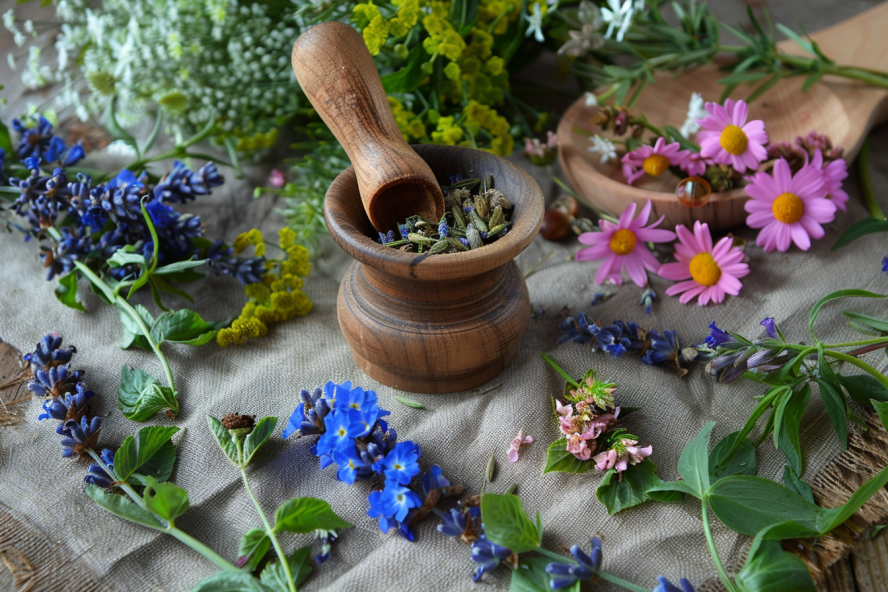
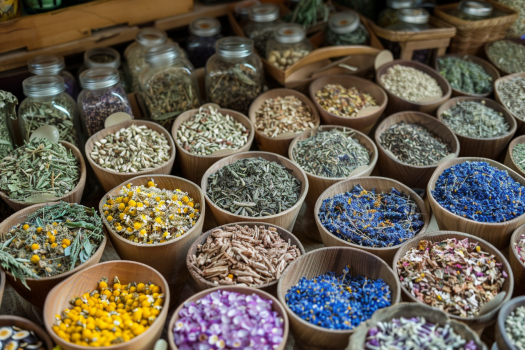
Herbal medicine is an important part of natural healing. Herbs are used to support many conditions, such as inflammation, digestive issues, headaches, and more. They can be used as teas, extracts, capsules, and other forms.
For example, chamomile is known for its calming effects and may help reduce stress and anxiety. Ginger can help reduce nausea and support digestion. Many studies support the use of herbal remedies, but they should be used responsibly — so it’s important to consult a qualified herbal specialist for proper guidance.
Personal and Environmental Hygiene
Maintaining personal and environmental hygiene is an important part of preventing disease and supporting overall health. This includes daily bathing, brushing teeth, washing hands, and keeping a clean, orderly living environment.
Rest and Sleep
Natural medicine emphasizes the importance of rest and sleep for both body and mind. Adequate sleep helps the body recover, repair damaged cells, and strengthen the immune system. The recommendation is usually 7–9 hours per night, with a consistent sleep routine. It’s also important to build moments of rest into the day for relaxation, meditation, or deep breathing.
Preventive Medicine
One of the central principles of natural medicine is that prevention is better than cure. The focus is on maintaining a lifestyle that prevents illness in the first place, rather than only treating disease after it appears. Healthy living can reduce the risk of many chronic illnesses and improve quality of life.
Spiritual and Emotional Practices
Natural medicine recognizes the close relationship between body and soul and may include emotional and spiritual practices as part of healthy living. These practices can reduce stress, improve mood, and increase a sense of calm and inner balance.
Advantages of Natural Medicine Compared to Conventional Medicine
Disease Prevention
Natural medicine focuses on preventing illness through healthy living and nutrition. This preventive approach includes strengthening the immune system and avoiding conditions that may develop into chronic disease.
Fewer Side Effects
Using natural methods and natural substances can reduce the likelihood of side effects compared to chemical medications. Many medicines can cause unwanted side effects, while natural approaches are often considered gentler over time.
A Comprehensive Approach
Natural medicine addresses the whole person, not only the symptoms. This holistic approach supports deeper, more integrated care for the body, mind, and spirit — helping improve quality of life and long-term health.
Education and Personal Empowerment
Natural medicine emphasizes understanding the body and taking an active role in one’s health. This can build personal empowerment and help people learn what triggers their symptoms and how to support their health going forward.
Natural Medicine and Judaism
“If you will surely listen to the voice of the Lord your God… all the disease that I placed upon Egypt I will not place upon you, for I am the Lord, your Healer.” (Shemot 15:26)
Jews view the Creator as the healer of all who are ill. At the same time, faith and medicine are not opposites — on the contrary, they can work together. Following are several key points about health and healing through a Jewish lens:
Faith in God’s Power
God is the source of all healing. In the blessing Asher Yatzar, we say that God is “the Healer of all flesh and the One who performs wonders.” The human body is a wonder, capable of repairing itself — but ultimate health and healing are in God’s hands.
Prayers for Healing
Jewish prayer includes many requests for healing. In the Amidah (Shemoneh Esrei), said three times a day, there is a dedicated blessing for healing: “Heal us, Hashem, and we will be healed; save us, and we will be saved,” expressing full faith that God can bring healing — even in the most difficult situations.
Human Effort
Alongside faith, Judaism recognizes the need for human effort. The Rambam (Maimonides) — a great physician and one of Judaism’s foremost sages, taught that a person should use wisdom and knowledge to seek healing for themselves and others. God gave human beings the ability to discover and use natural tools to protect health.
Combining Faith and Action
Judaism teaches partnership between prayer and practical effort. Alongside emunah and tefillah, a person should also seek medical care and make a responsible effort — while praying to the Creator.
Charity and Good Deeds
Jewish tradition teaches that kindness, charity, and good deeds can be a source of merit and blessing, and are often connected with healing in many classical sources.
Seeing the Bigger Picture
Judaism believes that everything — including illness and healing, is part of a broader Divine plan. In difficult illnesses, faith includes trusting that God sees the full picture, even when we do not.
Using the Wonders of Nature
Judaism views nature as God’s creation, and therefore what exists in nature can be used for healing. Herbs, natural nutrition, and traditional practices can be seen as part of the tools God placed in the world.
Blessings and Gratitude for Food
Judaism commands us to bless and thank God before and after eating — reflecting the belief that food is a Divine gift with power to strengthen and support the body.
Healing Alongside Prayer
Many people combine natural healing methods with prayer — asking God that the remedy should succeed — recognizing that true healing comes from Heaven, while we use the tools available in the world.
Guarding the Body as a Mitzvah
In Judaism, caring for one’s health is an obligation: “You shall greatly guard your lives” (Devarim 4:15). Choosing healthier habits — including natural approaches, can be part of fulfilling this responsibility.
Disclaimer: The content in this channel/article is not professional medical advice, a recommendation, or a substitute for consulting a qualified expert or receiving medical guidance.

