
Health and Nutrition
Harvard Researcher's Groundbreaking Study on Gut Bacteria Innovations
An American doctor and Harvard researcher unveils a groundbreaking study on healing chronic diseases by altering our gut bacteria.
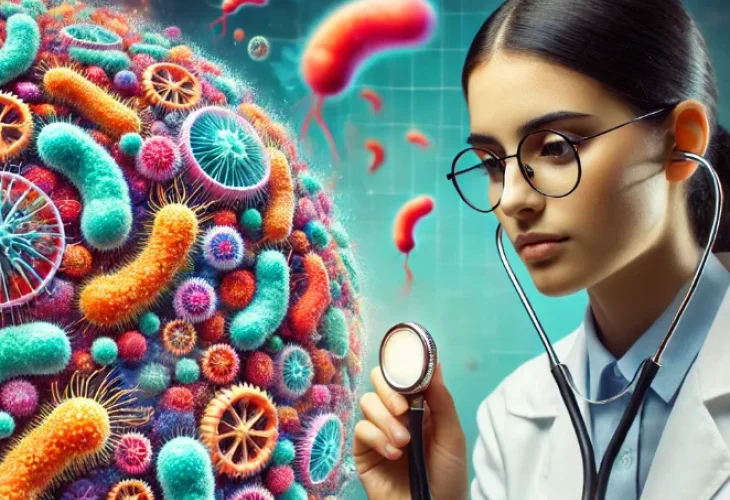
Dr. Emily Cross, a physician and researcher at Harvard University, has unveiled groundbreaking findings that may redefine how modern medicine approaches chronic illness. In a recent article published in the New England Journal of Medicine, she presented compelling evidence on the profound impact of gut bacteria on metabolic and autoimmune diseases, opening the door to a new era of personalized treatment.
For decades, chronic conditions such as diabetes, obesity, and inflammatory bowel disease were primarily attributed to genetic and environmental factors. But according to Dr. Cross, the microbiome—the vast community of bacteria living in our digestive system—plays a far more central role in human health than previously understood.
“An imbalance of gut bacteria can trigger inflammatory processes throughout the body,” she explains. “These disruptions affect conditions like Crohn’s disease, irritable bowel syndrome, and even neurological disorders such as depression and anxiety. We now see a strong link between gut bacteria and both brain and immune system health. If we can learn how to regulate the microbiome, we could prevent or ease many chronic diseases.”
Her research suggests that dietary changes, targeted probiotic supplementation, and even innovative treatments like fecal microbiota transplants (FMT) can significantly influence the development and progression of chronic conditions. “In the near future,” Dr. Cross states, “we may be able to customize therapies for each patient based on the unique bacterial composition of their body.”
The discovery is attracting widespread attention across scientific and medical communities, with many experts calling it a potential turning point in chronic disease management.
“Modern medicine must look beyond pharmaceuticals alone,” Dr. Cross concludes. “Balancing the body through the microbiome is essential.”
Following her publication, researchers worldwide have begun exploring new microbiome-based therapies—signaling what could become a major healthcare revolution in the years ahead.

