
Health and Nutrition
Yellow Dates: The Nutritional Benefits of Fresh Dates for a Healthy New Year
Fresh dates are a low-sugar, high-fiber superfood, perfect for Rosh Hashanah and everyday wellness.
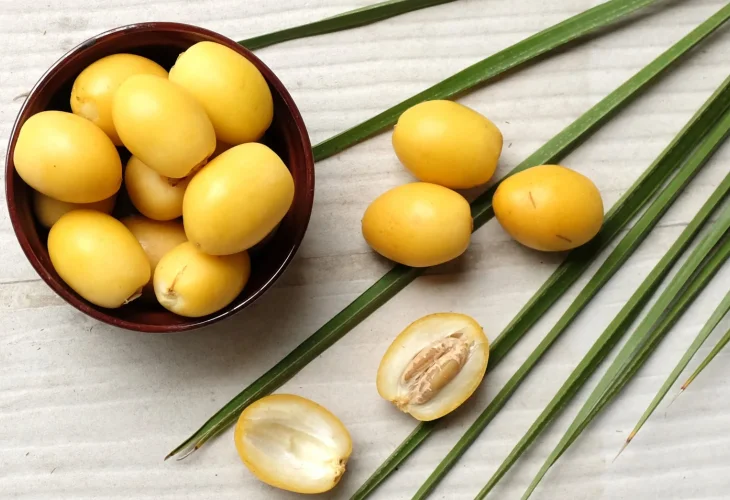 (Photo: shutterstock)
The yellow date, also known as the “fresh date” or “unripe date,” is a classic item on the Rosh Hashanah table. Beyond its unique flavor and festive symbolism, it also offers impressive nutritional benefits. The yellow date differs from the dried date in both texture and nutritional profile, providing natural sweetness alongside real health value.
A Natural Source of Quick Energy
Yellow dates are rich in natural carbohydrates that give the body quick, easily accessible energy. Thanks to their natural sugars, they make an excellent healthy snack before physical activity or as part of a midday pick-me-up — without any added processed sugar.
Packed With Dietary Fiber
Yellow dates contain a significant amount of dietary fiber, which supports healthy digestion and promotes a long-lasting feeling of fullness. This contributes to preventing constipation and maintaining a healthy weight, which is important for anyone aiming for balanced, healthy living.
Rich in Essential Minerals
Yellow dates contain a variety of important minerals, including potassium, magnesium, and iron. Potassium plays a key role in regulating fluid balance in the body and supports heart and muscle health. They also contain small amounts of B-vitamins, which help maintain a healthy nervous system.
Lower Natural Sugar Compared to Dried Dates
One standout benefit of the yellow date is its relatively lower sugar content compared to dried dates. This allows for enjoying natural sweetness with less concern about spikes in blood sugar levels.

