
Health and Nutrition
Understanding Your Sleep Type: Discover What It Says About You
Not everyone sleeps the same way, and a new study reveals your sleep type — and whether you might need a sleep consultant.
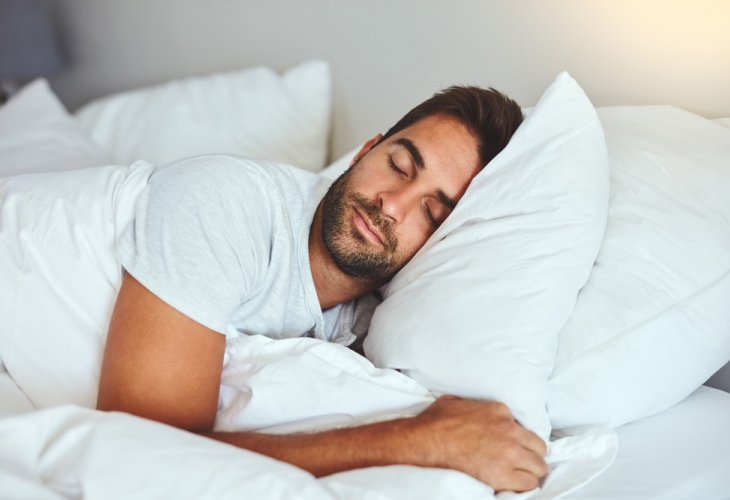
Some people sleep on their stomachs, while others prefer their backs. Some fall asleep quickly, while others take more time. Have you ever wondered about your sleep type?
Researchers from the University of Pennsylvania conducted a study to help people determine their sleep type. The findings were based on a survey of more than 3,600 middle-aged Americans, observed over a decade.
Participants reported on their health, sleep duration, satisfaction, and more. Based on these factors, they were categorized into one of four sleep types:
People who sleep well with ideal sleep habits.
“Weekend Warriors”: Those who sleep irregularly during the week and compensate with more sleep on weekends.
Insomniacs.
“Nap Enthusiasts”: Those who sleep well but rely mainly on daytime naps.
“The four categories were a helpful way to summarize the types of patients we see at our clinic,” said Dr. Kenneth Lee, Medical Director at the Sleep Medicine Center at the University of Chicago. “Obviously, we don’t see those who sleep well. If you’re sleeping well, you don’t go to a sleep doctor. But we often see the other categories.”
Throughout the research period, participants’ sleep types remained consistent. The study’s author, Sumi Hai, concluded: “The results suggest that changing sleep habits is very challenging, as sleep health is deeply embedded in our overall lifestyle. It may also indicate a lack of awareness about the importance of sleep and sleep health.”
The researchers found that those suffering from insomnia tend to develop diabetes, cardiovascular diseases, and depression. Lee added, “There’s a lot of health benefits in terms of optimal sleep. Sleep gives the brain a chance to rejuvenate, helping cleanse much of what the brain needs to clear out.”
“My concern with brief naps is that they might signify an underlying sleep issue, such as insufficient or poor-quality sleep,” noted Professor Mira Tadros from the New York School of Medicine. “It’s important for someone who suddenly needs naps—or finds themselves increasingly sleepy in the afternoon—to take a closer look at their sleep and its quality.”
And ultimately, understanding your sleep type can help you recognize what your body truly needs—because better sleep habits begin with awareness, not perfection.

